
Top Floor Condo HVAC Problems in Toronto: Fixes
Top floor condo HVAC issues in Toronto often mean hotter summers, colder winters, and airflow problems. Learn causes, fixes, costs, and when to call Hudson.
- Hudson HVAC
- 18 min read
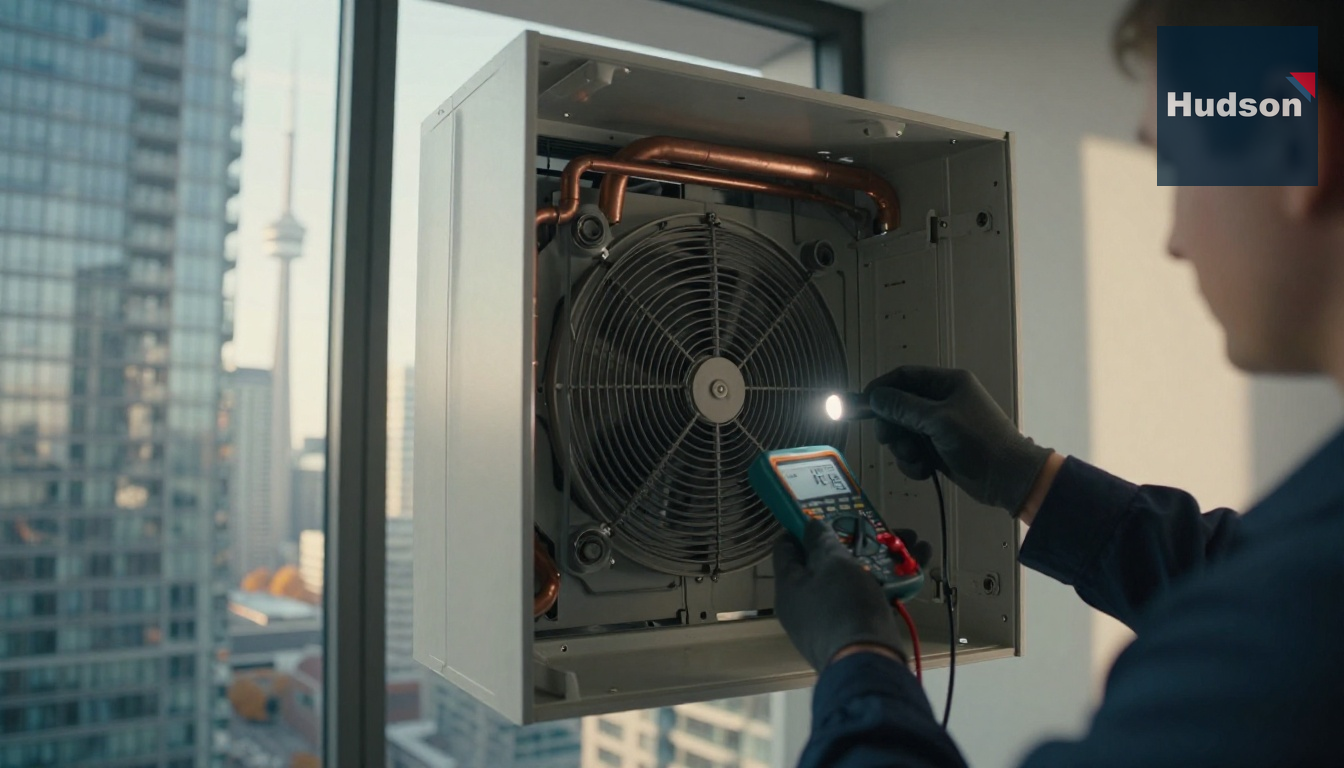
Top Floor Condo HVAC Problems in Toronto: Fixes
Quick summary: Living on the top floor of a Toronto condo usually means bigger temperature swings than lower floors, especially as fall turns into winter. The suite may overheat on sunny October afternoons, then feel drafty at night, and once January wind hits the roofline, weak airflow, bad balancing, or a tired fan coil becomes obvious fast. If you’re dealing with top floor condo HVAC issues, the fix is rarely just “turn the thermostat up” — it usually comes down to a mix of suite equipment performance, building airflow, and roof-level exposure.
Top-floor residents in Toronto, North York, and Mississauga call Hudson with a very specific complaint pattern: “The system runs all the time, but the suite still never feels stable.” In our experience servicing Toronto condos, that sentence usually points to a measurable problem — low coil output, poor air balancing, failed valve control, or heat loss around the perimeter — not just personal comfort preference. If you need suite-level diagnostics or seasonal service, Hudson handles condo HVAC repair in Toronto and targeted in-suite maintenance for high-rise units.
Why top-floor suites behave differently
A top-floor condo is not just “another unit higher up.” It sits directly below the roof assembly, sees more solar gain, experiences stronger wind pressure, and often has more exposed wall area if it is a corner or penthouse layout. In practical terms, that means the HVAC system has to fight heat gain from above in summer and heat loss from above in winter at the same time the rest of the building stack is behaving differently.
In Toronto high-rises built from the late 1980s through early 2000s, Hudson commonly sees 2-pipe fan coil systems on top floors struggling during shoulder seasons. In September and October, the building may not have switched fully to heating yet, but upper suites still get hot from afternoon sun. Once the central system changes over, those same suites can feel cold overnight because the envelope loses heat quickly and the fan coil can only deliver what the hot-water loop provides. If your suite equipment hasn’t been cleaned or tested recently, fan coil maintenance is often the first step before anyone blames the whole building.
Another non-obvious factor is stack effect. As outdoor temperatures drop, warm air inside the building rises. That changes pressure relationships in corridors, suites, elevator shafts, and stairwells. On upper floors, it can pull conditioned air in odd directions and exaggerate drafts around doors and windows. We’ve seen this in waterfront Toronto towers and in North York buildings near open exposure where the combination of wind and stack effect makes the top three floors feel like a different climate zone.
The fast diagnosis: what’s actually going on?
Before anyone recommends repair or replacement, the first question is whether the problem is capacity, control, or building exposure. Those three categories look similar to residents, but they require different solutions.
Signs it’s a capacity problem
If the suite never reaches setpoint and the unit runs for long stretches, capacity may be the issue. Common examples include:
- A blower motor spinning but moving weak air because the wheel is packed with dust
- A hot-water coil that should be delivering 120°F-160°F water in heating season but is being starved by a stuck valve
- A heat pump with declining output due to low refrigerant charge or a fouled indoor coil
- An original fan coil sized for older glazing that now struggles after years of wear
A top-floor suite in Mississauga or Toronto with west exposure can need noticeably more sensible cooling in summer than an identical mid-building suite. In heating season, a penthouse with two exterior walls can have 15-25% higher heat loss than an interior-facing unit of the same square footage. That’s one reason some “identical” layouts behave completely differently depending on floor and orientation.
If airflow is weak, Hudson often starts with blower motor repair and a coil inspection rather than jumping straight to replacement. In many older condo buildings, restoring blower performance alone changes the temperature profile of the suite by 1°C to 3°C.
Signs it’s a control problem
Control issues are common because condo HVAC systems rely on small components that fail quietly. A thermostat can read incorrectly by 1°C to 2°C if it’s mounted on a warm wall, near direct sunlight, or beside a supply grille. We’ve also seen older Honeywell and Unilux controls drift over time, causing residents to “chase” comfort by constantly adjusting settings.
Another frequent issue is a failing actuator or valve assembly. A clicking sound every 10-15 seconds from inside the cabinet often points to an actuator trying and failing to seat properly. When that happens, the coil may not get full hot-water flow even though the thermostat is calling for heat. That’s why actuator replacement, 3-way valve replacement, or thermostat installation and replacement can solve “mystery” comfort problems that basic cleaning never touches.
Signs it’s exposure or building-level airflow
If one room is always cold near the window line, if you feel movement around the entry door, or if the suite is comfortable only on mild days, the building envelope and ventilation pattern may be the bigger story. Upper floors often receive tempered make-up air differently than lower floors, and if the make-up air unit is out of calibration or underperforming, top-floor corridors and suites can feel drafty first. In those cases, suite repairs help, but building operations may also need mechanical maintenance or a more detailed comprehensive mechanical maintenance program.
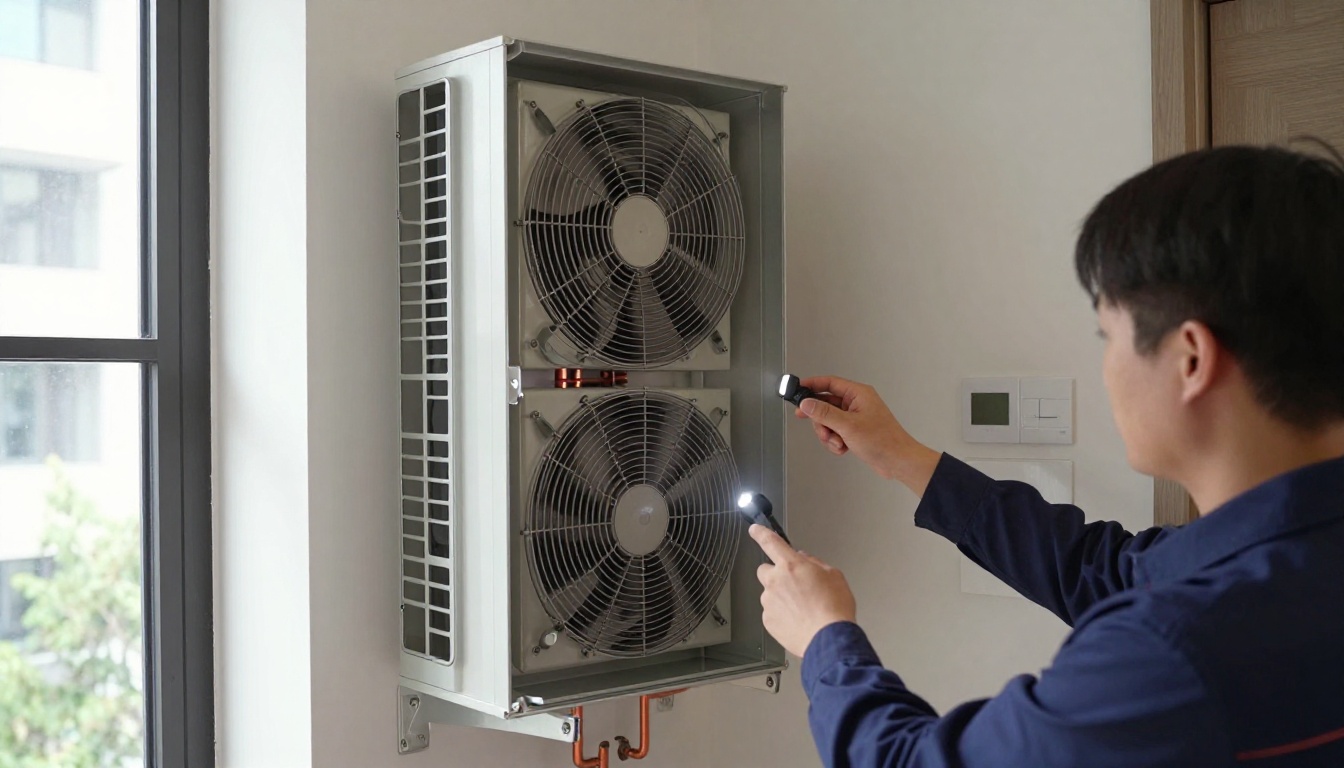
The most common top-floor HVAC failures Hudson sees in Toronto condos
Across 200+ condo buildings, a pattern shows up repeatedly on upper floors. The failure may be inside the suite, but top-floor conditions expose it sooner.
1. Dirty fan coil and reduced airflow
In-suite fan coils pull a surprising amount of dust off the return path, especially in compact condos where the return is near the kitchen or entry. Once the evaporator/heating coil loads up, airflow drops and the system loses both heating and cooling performance. A resident may still hear the fan, but the delivered BTUs fall off.
A standard condo fan coil in Toronto might move 300-800 CFM depending on size. A dirty wheel and coil can reduce effective airflow by 20-35%, which is enough to make a top-floor suite miss temperature setpoint during weather extremes. This is exactly why annual fan coil maintenance matters more on upper floors than people realize.
2. Failed actuator or 3-way valve
In many condo fan coil cabinets, especially older 2-pipe or 4-pipe hydronic systems, the actuator opens and closes water flow based on thermostat demand. When it sticks, strips gears, or loses signal, the coil receives partial flow or none at all. A top-floor resident notices the issue sooner because the suite has less thermal forgiveness.
Typical actuator models in GTA condos include Belimo and Honeywell motorized actuators paired with 1/2-inch or 3/4-inch valves. Hudson often finds the actuator body warm to the touch but not actually driving the valve stem. That’s why actuator replacement and three-way valve replacement are among the most common upper-floor repairs each fall.
3. Thermostat misreading due to placement
This is more common in penthouses than people think. If the thermostat sits on a wall that gets afternoon sun, near a TV, or beside a poorly sealed utility closet, the displayed room temperature can be misleading. We’ve seen suites in North York where the thermostat showed 22°C while the bedroom near the window line was actually 18.5°C.
That’s one reason Hudson sometimes recommends relocating or upgrading controls as part of thermostat installation and replacement. Better sensing doesn’t create more capacity, but it prevents the system from making the wrong decision based on a bad reading.
4. Drainage and shoulder-season moisture issues
People associate drain pans with summer cooling, but fall matters too. If the pan and condensate line were never properly cleaned after summer, residual moisture and debris can create odours, microbial growth, and eventual overflow when cooling runs again during warm fall afternoons. Upper-floor suites often alternate between heating and cooling more than shaded lower units, so moisture problems show up in a stop-start pattern.
If there’s any sign of musty smell, staining, or previous overflow, drain pan cleaning and repair and, where needed, HVAC mold remediation should be addressed before winter. Mold inside a fan coil cabinet is not just a cleanliness issue; it insulates coil surfaces and degrades airflow.
5. Building-level make-up air and balancing problems
Top-floor discomfort is sometimes blamed on the suite fan coil when the real issue is corridor pressure or under-tempered outside air. If the make-up air unit is delivering cooler air than intended, upper floors feel it first. In buildings with aging central equipment, Hudson may recommend broader mechanical maintenance, make-up air unit replacement, or even project planning through Hudson’s condo HVAC projects team.
What you can do right now before calling for service
There are a few safe checks that help narrow down the problem quickly. These steps are useful whether you live in downtown Toronto, a newer tower in Mississauga, or an older North York high-rise.
1. Check the filter properly
Locate the lower access panel on the fan coil cabinet — usually a tall vertical rectangular metal cabinet in a closet, hallway, or laundry area. Remove the filter, which is often a 1-inch washable mesh or 1-inch to 2-inch pleated insert depending on the cabinet style. Hold it up to light; if you can’t see light through most of the surface, airflow is already compromised.
If the unit has not been serviced in more than 12 months, a dirty filter usually means the coil behind it is dirty too. At that point, in-suite HVAC maintenance is more useful than just swapping the filter and hoping for the best.
2. Listen for the sound pattern
A top-floor HVAC issue often announces itself by sound before full failure. Use this quick guide:
- High-pitched whine: blower motor bearings starting to fail
- Click every 10-15 seconds: actuator trying to move but not seating
- Humming with little airflow: capacitor or motor issue
- Rushing water noise: air in hydronic coil or unstable valve position
- Metal pinging after shutdown: normal expansion/contraction unless excessive
These details help a technician decide whether to bring motor, actuator, or valve parts on the first visit. If the unit stops completely during a cold snap, emergency HVAC repair is the right call.
3. Compare actual room temperatures
Do not rely only on the thermostat display. Use a simple digital thermometer and measure:
- At the thermostat wall
- In the bedroom near the window
- In the living room 5-6 feet from the supply air path
If the spread is more than 2°C, the issue may be air distribution or envelope exposure rather than total system failure. That distinction matters because it changes whether the solution is a suite repair, control adjustment, or a conversation with property management.
4. Check for visible leakage or staining
Look under the cabinet and along the drain connection for rust marks, mineral tracks, or past water staining. Even a small historical leak can tell you the drain pan has been overflowing intermittently. Hudson sees this often after humid Toronto summers when maintenance was deferred. If you spot evidence, book drain pan cleaning and repair before winter dust and stagnant moisture turn into odour complaints.
5. Test airflow at the grille, not just noise
Place a tissue or light paper near the discharge grille. If the fan sounds active but barely moves the tissue on high speed, the unit likely has a blower, wheel, or coil restriction. That’s one of the most common reasons residents think they have “hot water problems” when the real issue is poor air delivery.
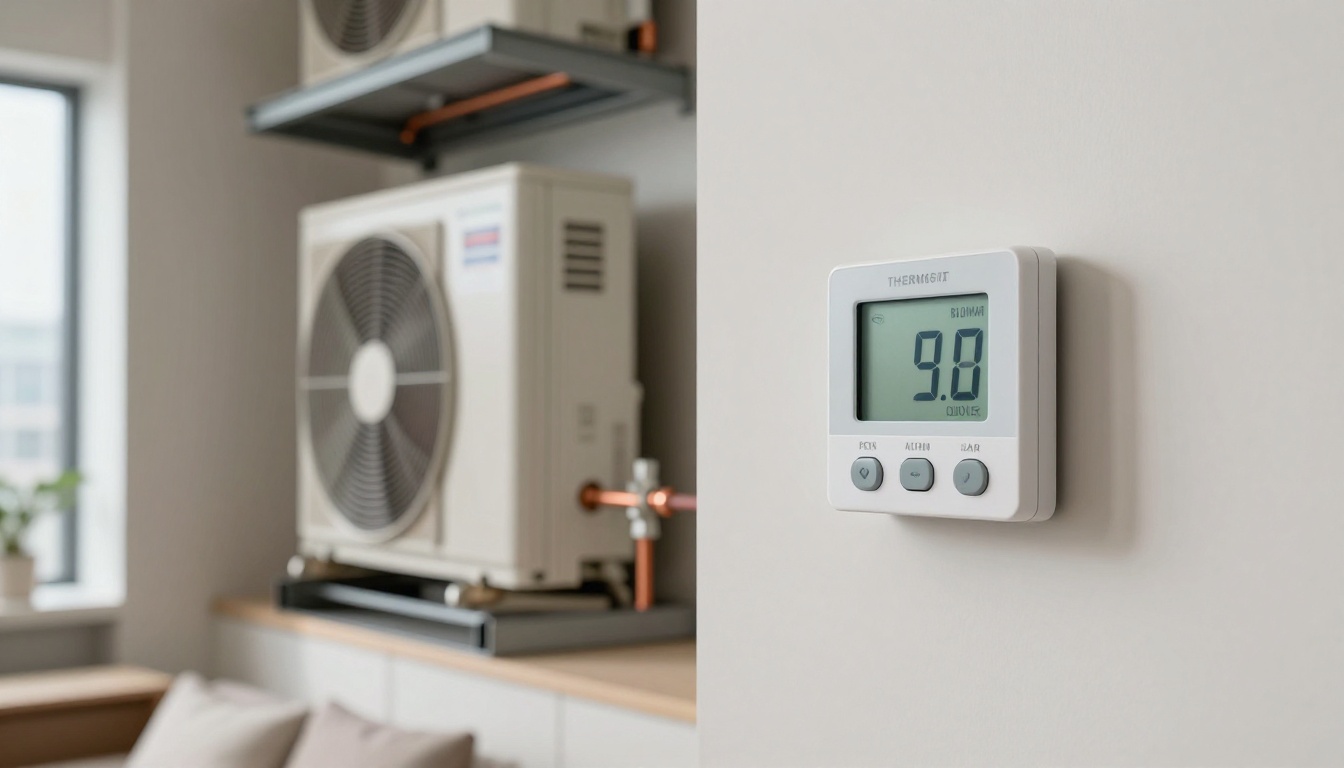
When it’s time to call a professional
Top-floor comfort issues should be addressed before Toronto’s first sustained cold period, not after. Once outdoor temperatures drop below freezing and wind exposure increases, borderline systems become true no-heat calls.
Call for professional service if:
- The suite is more than 2°C below setpoint for several hours
- The unit runs constantly but never catches up
- You hear repeated clicking, whining, or humming from the cabinet
- Airflow is weak even with a clean filter
- There is any leak, musty smell, or evidence of drain pan overflow
- The equipment is 15+ years old and has had repeat repairs
For upper-floor residents in the GTA, Hudson handles condo HVAC repair in North York, condo HVAC repair in Mississauga, and fan coil repair and replacement for suite-level equipment. If your building uses heat pumps instead of hydronic fan coils, heat pump repair and replacement may be the more relevant service.
A good rule in fall: if the system was “just barely okay” last winter, it will not improve on its own. Components like motors, actuators, and valves usually fail progressively, not suddenly.
What a proper service visit should include
A serious top-floor diagnostic is not just a 10-minute filter check. In Hudson’s experience, the suites that get correctly fixed are the ones where the technician verifies both equipment operation and the room conditions around it.
A typical in-suite diagnostic visit takes 60-90 minutes and should include:
- Thermostat verification and temperature comparison
- Airflow assessment at the unit and discharge grille
- Visual inspection of blower wheel, coil, and filter condition
- Actuator and valve operation test
- Hydronic pipe temperature check or heat pump performance check
- Drain pan and condensate line review
- Electrical inspection of motor amperage and control response
If the issue extends beyond the suite, Hudson may recommend involving building management to review central plant operation, corridor pressures, or balancing. That is where mechanical maintenance, chiller maintenance, or larger capital planning such as boiler replacement can become part of the conversation.
One practical condo-specific point: access coordination matters. In occupied high-rises, especially penthouse levels with concierge-controlled elevators or booking windows, the difference between a one-trip fix and a two-trip fix often comes down to whether symptoms were documented clearly before arrival.
Real Toronto cost ranges: repair vs replacement
Top-floor owners and condo boards usually want a straight answer on cost. These are realistic 2026 GTA ranges Hudson sees for condo suite work; exact pricing depends on cabinet access, brand, parts availability, and whether after-hours service is required.
Common suite-level repair costs
| Repair item | Typical Toronto cost | Notes |
|---|---|---|
| Diagnostic/service call | $180-$320 | Higher after hours or urgent dispatch |
| Filter/cleaning maintenance visit | $220-$450 | Depends on coil/blower access and condition |
| Actuator replacement | $350-$600 | Common in hydronic fan coils |
| 3-way valve replacement | $650-$1,100 | Labour varies if valves are seized |
| Blower motor repair/replacement | $500-$1,200 | ECM motors cost more than PSC motors |
| Thermostat replacement | $250-$650 | Depends on control type and wiring |
| Drain pan cleaning/repair | $280-$750 | More if corrosion is extensive |
| Mold remediation inside cabinet | $450-$1,200 | Depends on contamination level |
These numbers are why deferred maintenance gets expensive. A $300-$400 annual service visit can prevent a $900 valve issue from being discovered only after a no-heat complaint in January.
Replacement ranges
| Option | Typical Toronto cost | Best for |
|---|---|---|
| In-suite fan coil replacement | $3,800-$7,500 per unit | Aging 15-25 year fan coils with repeat issues |
| In-suite heat pump replacement | $6,500-$12,000 per unit | Condo heat pumps with compressor/control failures |
| Building-wide fan coil retrofit | Often $1.2M-$3.5M+ depending on size | 150-300+ suite capital programs |
A single fan coil replacement typically takes one day or less in-suite, though coordination, shutoffs, and finishing details can stretch the logistics. A building-wide fan coil retrofit usually takes 4-8 months for a mid- to large-size condo, depending on unit count and access rules. If the building has chronic riser or distribution issues, riser replacement may also need to be evaluated.
Repair or replace? A decision framework for top-floor suites
Top-floor condos punish weak equipment faster than sheltered mid-building units. That makes the repair-vs-replace decision more urgent.
Repair makes sense when:
- The unit is under 12-15 years old
- The cabinet and coil are structurally sound
- The issue is isolated to a motor, actuator, thermostat, or valve
- The suite previously maintained setpoint well
- There is no chronic leak history or severe corrosion
Replacement makes sense when:
- The unit is 15-20+ years old
- There have been 2-3 major repairs in the last 24 months
- The blower section is noisy and the coil is heavily fouled or corroded
- Parts are obsolete or lead times are long
- The top-floor suite has chronic comfort complaints despite prior repairs
One common mistake we encounter in older North York high-rises is replacing the thermostat three times when the real problem is a weak fan coil with a partially seized motor and a valve that never fully opens. Controls are cheaper, so people start there, but upper-floor conditions expose underlying capacity problems quickly. For aging suites, fan coil repair and replacement or heat pump replacement projects may be the more honest long-term solution.
Fall maintenance priorities for top-floor residents
September through November is the best window to get ahead of winter. Once Toronto enters repeated overnight lows and wind-driven cold, appointment demand spikes and borderline systems become urgent calls.
Top-floor condo residents should prioritize:
- Fan coil or heat pump service before the first cold snap
- Thermostat verification before switching fully into heating mode
- Drain pan and condensate cleaning after summer humidity
- ERV maintenance if the suite has dedicated ventilation equipment
- Dryer vent cleaning if the laundry setup is in-suite and performance has declined
Dryer vents matter more than people think in top-floor suites because long vertical runs and lint buildup reduce airflow, increase drying time, and add unwanted heat to the suite. In condo townhomes and some larger penthouse units, Hudson often finds dryer cycles extending by 20-40 minutes when vents are restricted. That extra heat load can worsen comfort complaints in shoulder seasons, so dryer vent cleaning is worth doing alongside HVAC service.
If your suite includes an ERV, fall is also the right time for ERV maintenance. Dirty cores and blocked filters reduce fresh-air effectiveness and can make upper-floor suites feel stale or drafty at the same time.
FAQs
Why is a top floor condo usually hotter in summer and colder in winter?
Top floor suites sit directly under the roof slab, so they absorb more solar heat in summer and lose heat faster in winter than mid-stack units. In Toronto high-rises, Hudson often measures a 2°C to 5°C difference between upper and middle floors during heat waves or cold snaps, especially in older 80s/90s buildings with less effective roof insulation and more air leakage around mechanical penetrations. Wind exposure is also stronger at higher elevations, which increases infiltration around windows, balcony doors, and fresh-air sleeves.
Can my in-suite fan coil or heat pump fully solve top floor temperature issues?
Sometimes, but not always. If the problem is a dirty coil, weak blower motor, failed actuator, or a thermostat reading the wrong temperature, an in-suite repair can make a major difference. But if the root cause is building-level balancing, inadequate make-up air tempering, roof heat gain, or undersized original equipment, the suite unit alone will not completely fix it; Hudson sees this often in Toronto and North York buildings where the HVAC equipment is technically running but the envelope and airflow conditions are working against it.
What temperature difference is considered normal between floors in a condo building?
A small difference is normal, but a persistent gap of more than about 2°C between a top floor suite and similar mid-building suites usually deserves investigation. In real service calls across Toronto and Mississauga, Hudson treats 3°C to 4°C swings as a sign to check airflow, valve operation, thermostat placement, solar load, and fresh-air leakage. The key is not just the absolute temperature, but whether the suite can maintain setpoint without running constantly.
How often should top floor condo HVAC equipment be serviced?
For top floor suites, annual service is the bare minimum, and twice-yearly attention is better if the unit works hard year-round. Fall is the ideal time to schedule heating-side inspection, blower cleaning, condensate review, and thermostat verification before Toronto’s first real cold snap. Hudson often finds that upper-floor fan coils accumulate more dust on coils and strain motors sooner because residents run them longer during both summer and winter extremes.
Is replacement worth it if my top floor suite is still uncomfortable after repairs?
If the equipment is 15-20 years old, uses obsolete controls, or has repeated failures like blower motors, actuators, and valve issues, replacement can be more economical than serial repairs. A new fan coil or heat pump will not fix poor insulation or major air leakage by itself, but it can restore proper capacity, quieter airflow, and better temperature control. In many Toronto condo projects, Hudson sees owners spend $1,200-$2,000 on repeated repairs over two years when a planned replacement would have delivered better comfort and lower risk.
Are top floor HVAC problems the owner’s responsibility or the condo corporation’s?
It depends on the declaration, bylaws, and where the fault lies. In many GTA condo buildings, the in-suite fan coil, thermostat, and drain pan are owner responsibilities, while risers, central boilers, chillers, and make-up air systems fall under the corporation. The practical approach is to document temperatures, service history, and symptoms clearly, because top floor comfort complaints often involve both suite-level equipment and shared building systems.
Next steps if your top-floor suite never feels comfortable
If your suite gets too hot in shoulder season, too cold in winter, or never seems to stabilize, the right move is to diagnose it before the weather turns. Start with a proper in-suite inspection, not guesswork. Hudson can determine whether the problem is airflow, control, hydronic flow, heat pump performance, or a larger building-level issue.
If your fan coil hasn’t been serviced in over a year, book fan coil maintenance before the next cold snap. If the unit is already noisy, leaking, or failing to hold temperature, schedule fan coil repair and replacement or emergency HVAC repair. For residents, property managers, and boards comparing options, Hudson also shares more condo-specific guidance on the Hudson HVAC blog.
Contact Hudson
For top floor condo HVAC, penthouse heating cooling, and top floor temperature issues in Toronto, Hudson specializes in condominium systems — not detached houses — and understands how suite equipment interacts with the rest of the building.
- Contact Us
- Phone: +1 (437) 448-0640
- Email: service@hudsonhvac.ca