
Toronto Condo Orientation HVAC Guide: North vs South
Learn how condo orientation affects HVAC in Toronto. Expert advice for north vs south condo temperature, comfort, costs, and fall maintenance.
- Hudson HVAC
- 18 min read
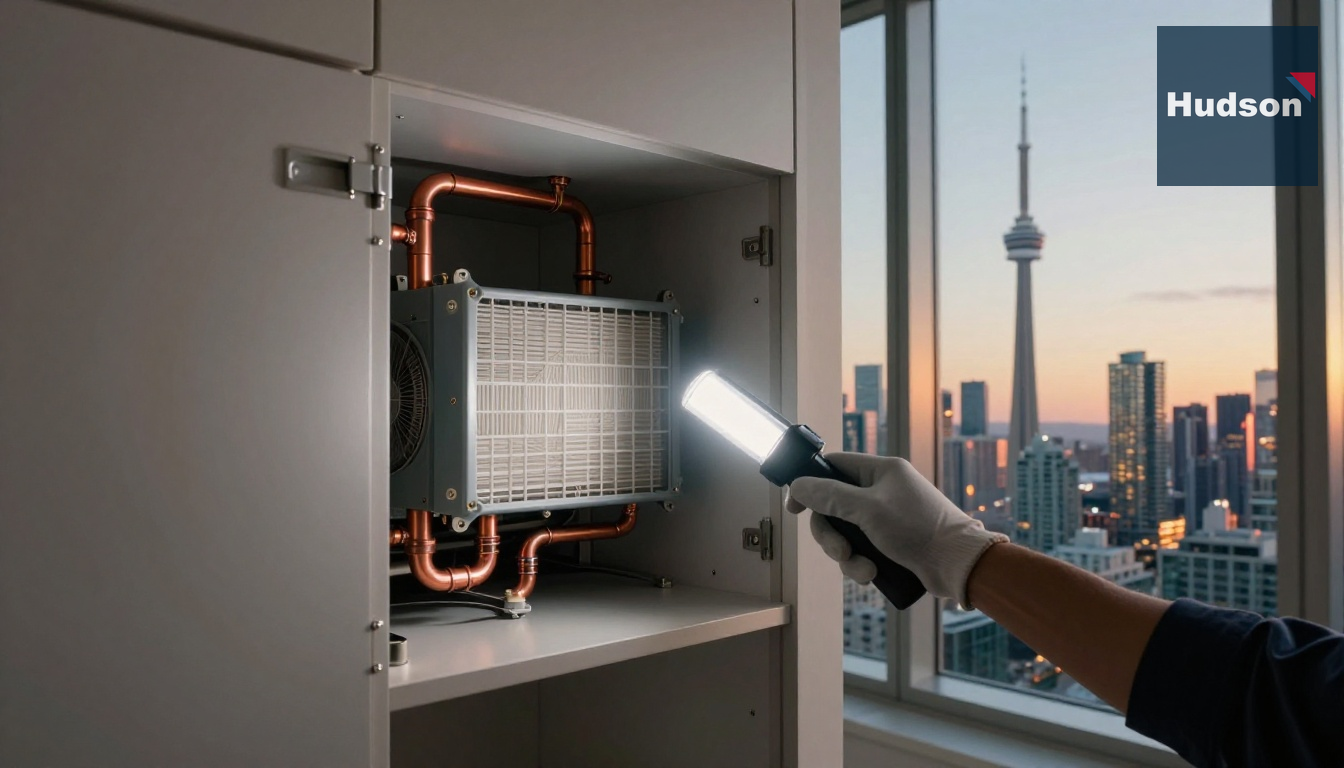
Toronto Condo Orientation HVAC Guide: North vs South
Quick summary: Condo orientation HVAC problems are real. In Toronto high-rises, a south-facing unit can run several degrees warmer than a north-facing suite even when both have the same fan coil, thermostat, and floor plan. As fall arrives and buildings prepare for heating season, understanding north vs south condo temperature differences helps residents, property managers, and condo boards separate true equipment failures from predictable comfort issues caused by sun, wind, glazing, and building design.
A lot of condo owners assume HVAC comfort is only about the unit in the closet. After servicing thousands of suites across Toronto, North York, and Mississauga, Hudson can say that’s only half the story. Orientation changes the heat load on the suite, the number of hours the equipment runs, how quickly filters load up, how often drain pans get wet in summer, and even how residents perceive “cold” or “hot” air. In September and October, this becomes especially obvious because one side of the building may still overheat in the afternoon while the other side is already asking for heat overnight.
What orientation is really doing to your condo comfort
The simplest way to think about it: your HVAC system is trying to offset the heat your suite gains and loses. Orientation changes both.
In a typical Toronto condo with floor-to-ceiling glazing, solar gain through south-facing windows can add 15 to 35 BTU per square foot during sunny periods depending on glass type, shading, and time of day. That is enough to push a 600-square-foot suite into a cooling demand increase of several thousand BTU/h compared with a shaded north-facing unit. If the installed fan coil is a 300 to 400 CFM vertical unit with a nominal cooling capacity around 8,000 to 14,000 BTU/h, that extra load matters.
North-facing units behave differently. They usually avoid the intense solar gain that makes a south facing unit hot, but they often feel cooler because of lower passive heat input and stronger radiant heat loss near glass in winter. In Toronto and along exposed corridors in North York towers, residents often describe this as “the heat is on, but it still feels chilly near the window.” That complaint is not always an HVAC failure; sometimes the thermostat reads 22°C while the body feels colder because the glass surface temperature is much lower.
If you’re dealing with comfort issues in a condo suite, start with a proper condo HVAC repair Toronto assessment rather than assuming the equipment is undersized or broken.
The part most people miss: wind exposure can cancel out orientation advantages
A west or south exposure sounds warm on paper, but towers near the waterfront or open corridors can experience major infiltration around balcony doors and operable windows. Hudson has seen south-facing suites in downtown Toronto feel colder than interior north-facing suites during November wind events because air leakage was driving the heating load more than solar gain. In other words, orientation is only one variable; envelope leakage can dominate in shoulder season.
Building age changes how orientation shows up
Buildings from the late 1980s and 1990s often have less efficient glazing and more variable air sealing than new-build condominiums. That means orientation differences tend to feel more dramatic. In newer towers in Mississauga and Vaughan, the glass may be better, but the suites also often have larger window areas, so solar gain can still be substantial even with improved coatings.
For residents trying to reduce seasonal performance issues, annual in-suite HVAC maintenance is one of the easiest ways to confirm the equipment is at least delivering its designed airflow and temperature split.
Why north-facing and south-facing suites stress HVAC systems differently
The equipment in most Toronto condos is not “smart” enough to care about orientation. It simply responds to thermostat demand. But the way the suite loads the equipment is very different.
South-facing units: longer cooling runtime, more summer moisture, more wear
A south-facing suite typically sees:
- Longer cooling calls from 11 a.m. to 7 p.m. on sunny days
- Higher condensate production in summer because the coil stays cold longer
- Faster dust accumulation on filters because the blower runs more hours
- More complaints about “AC runs all day but never catches up”
This matters because more runtime means more wear on the exact parts that fail most often in condos: blower motors, capacitors, actuators, and thermostats. A blower motor with worn bearings often starts with a high-pitched whine that gets louder as the motor heats up. A failing actuator usually makes a click every 10 to 15 seconds as it tries and fails to seat the valve. Those are not random noises; they are useful clues.
If your suite struggles during warm afternoons, Hudson typically checks airflow first, then coil cleanliness, then valve operation. A dirty coil can reduce effective heat transfer enough that a unit loses 10% to 25% of practical cooling performance even though the fan still runs. That’s one reason regular fan coil maintenance pays off in condos more than people expect.
North-facing units: less solar help, more winter discomfort near glass
North-facing suites usually cool more easily in summer, but in fall and winter they often reveal:
- More noticeable cold zones near glazing and balcony doors
- Earlier morning heating calls in September and October
- More resident complaints about drafts rather than outright equipment failure
- Greater sensitivity to thermostat placement
One common issue in older North York high-rises is a thermostat mounted on an interior wall far from the window line. The thermostat is comfortable, but the resident sitting near the glass is not. That can lead to “phantom repair calls” where the equipment is operating correctly but the suite needs better balancing, shading strategy, or envelope correction.
When there is a true component issue, common culprits include a weak actuator replacement need, a sticking 3-way valve replacement issue, or a thermostat that has drifted out of calibration and is short-cycling.
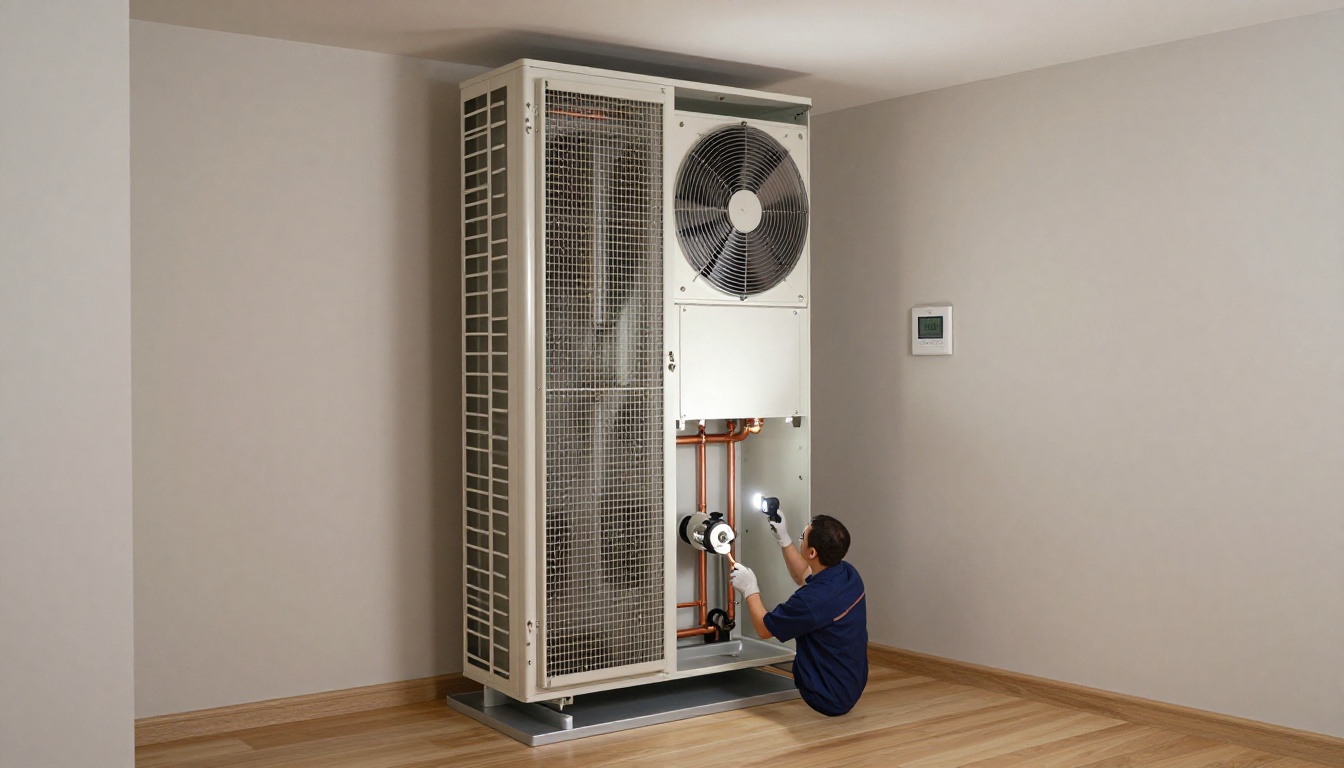
A fast diagnosis framework: is it orientation, maintenance, or an actual repair?
In our experience servicing Toronto condos, residents save time and frustration when they stop asking “Is my HVAC broken?” and instead ask three narrower questions.
1. Is the suite temperature problem predictable by time of day?
If the room is fine in the morning and overheats every sunny afternoon, orientation is likely a major factor. If it is uncomfortable all day, including overnight, that points more strongly to a mechanical issue.
2. Is the equipment delivering normal air?
For fan coils and in-suite heat pumps, a technician will often measure:
- Return air temperature
- Supply air temperature
- Airflow in CFM
- Valve operation and water temperature
- Amp draw on blower motor
A healthy cooling call often shows a supply air temperature roughly 8°C to 11°C below return air in many condo applications, though exact numbers depend on water temperature, humidity, and unit design. If the air split is normal but the suite still won’t hold setpoint, the issue may be load-related rather than equipment-related.
3. Is the building in changeover season?
Fall is notorious for comfort complaints in 2-pipe systems, which are still common in older condo buildings across Toronto and North York. In a 2-pipe building, the same piping loop serves either heating or cooling, not both at once. During September and October, a south-facing resident may still want cooling while a north-facing resident already wants heat. The suite equipment cannot provide both simultaneously if the building has not switched over.
This is one of the biggest orientation-related condo realities that house-focused HVAC articles miss. If your building is on a central 2-pipe schedule, your suite-level problem may actually be a building-level operations issue. In those cases, building teams benefit from stronger mechanical maintenance planning and seasonal communication.
What you can do right now before booking service
There are a few safe checks that genuinely help and a few that waste time. Here are the ones that matter.
Check the filter properly, not casually
Locate the lower access panel on the vertical fan coil cabinet, usually in a hallway closet or utility enclosure. Most condo fan coils use a 1-inch or 2-inch pleated filter or washable mesh style depending on the manufacturer. Slide it out and hold it up to a light source. If you cannot see light through much of the surface, airflow is already compromised.
A restricted filter does more than reduce comfort. It can also lower coil temperature enough to increase condensation in summer and contribute to drain pan issues. If the unit has been running hard because the suite is south-facing, filter loading may happen faster than the resident expects. If you need routine upkeep, schedule fan coil maintenance rather than waiting for a failure.
Compare thermostat reading to a separate thermometer
Place a digital thermometer at least 1.5 metres above the floor, away from direct sunlight, windows, and supply air. Let it sit for 20 to 30 minutes. If the room temperature differs from the thermostat by more than 1°C to 1.5°C, the thermostat location or calibration may be affecting comfort.
If the thermostat is old, unresponsive, or cycling erratically, a professional thermostat installation or replacement can solve problems that look like orientation issues but are actually control problems.
Inspect around the balcony door and window line
Hold your hand near the perimeter on a windy day. If you feel air movement, the HVAC may be compensating for leakage rather than failing. In fall, this is especially noticeable at night in north-facing or exposed east-facing suites. Hudson often finds that residents blame the fan coil when the bigger issue is infiltration around the envelope.
Look for drain pan warning signs from the cooling season
A south-facing unit that ran heavily all summer may have produced a lot of condensate. If the drain pan is dirty or partially blocked, you might see staining, musty odours, or intermittent shutdowns from overflow protection. That is worth addressing before heating season because debris left in the pan becomes a mould and odour issue over winter. If you see moisture or residue, arrange drain pan cleaning and repair or HVAC mold remediation if odours are persistent.
Don’t forget the dryer vent in shoulder season
This sounds unrelated, but in condos it matters. A restricted dryer vent adds heat and humidity inside the suite, especially in compact layouts where the laundry closet is near the return air path. In fall, many residents start doing more indoor laundry with windows closed, and that extra humidity can make a south-facing suite feel warmer and a north-facing suite feel clammy. Annual dryer vent cleaning is one of the simplest comfort improvements in condo living.
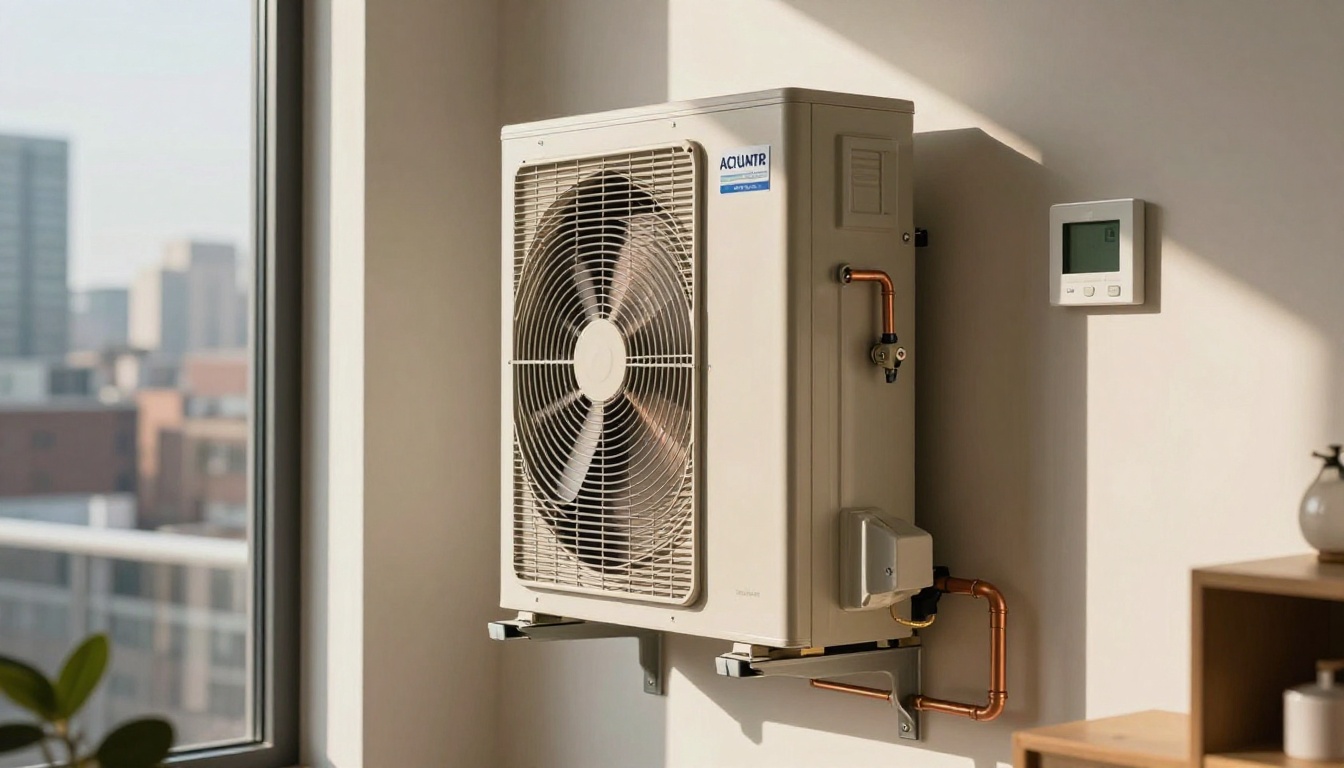
When orientation stops being a comfort issue and becomes a repair call
Not every hot or cold suite needs a technician immediately. But some symptoms clearly point to mechanical trouble.
Call for service if you notice any of these
- The blower runs but there is very weak airflow at the discharge grille
- The thermostat calls for heating or cooling and nothing happens for more than 3 to 5 minutes
- You hear clicking every few seconds, which often indicates actuator problems
- You hear squealing or whining, often linked to blower motor bearings
- The unit leaks water, smells musty, or shuts off intermittently
- The suite cannot get within 2°C of setpoint even after several hours in mild weather
In those cases, suite orientation may be exaggerating the discomfort, but it is not the root cause. A proper fan coil repair and replacement service or heat pump repair and replacement service is the next step.
Emergency situations in fall and early winter
In September and October, emergency calls are less about frozen pipes and more about no airflow, electrical odours, or serious leaks. By late November in Toronto, a north-facing suite with no heat can quickly become urgent, especially in older buildings with draftier glazing. For after-hours failures, emergency HVAC repair is appropriate if the suite is becoming unsafe or water is escaping the unit.
For residents in the area, Hudson also handles condo HVAC repair in North York and condo HVAC repair in Mississauga where orientation-related comfort complaints are especially common in glass-heavy towers.
What a professional service visit should include
A good condo HVAC visit is not just “change the filter and leave.” Orientation complaints require a more careful process because the technician has to separate suite load from equipment fault.
A typical Hudson diagnostic visit for orientation-related comfort issues includes:
- Interview about time-of-day symptoms, sun exposure, and building changeover status
- Thermostat verification and room temperature comparison
- Filter and coil inspection
- Airflow and discharge temperature check
- Valve, actuator, and control response test
- Drain pan and condensate line inspection if summer performance was poor
- Recommendations for repair, maintenance, or building-level follow-up
For a straightforward suite diagnosis, expect 60 to 90 minutes on site. If parts like an actuator or thermostat are in stock, the repair may be completed the same visit. More involved issues, such as blower motor replacement, usually require 1.5 to 3 hours depending on access, cabinet design, and whether the building requires booking a shutdown or suite access window.
For condo boards seeing repeated complaints by exposure, the better answer is often a building-wide maintenance review. Hudson supports these through comprehensive mechanical maintenance and larger project planning services when recurring comfort issues reveal aging equipment across the property.
Real Toronto cost ranges: what orientation-related HVAC issues usually cost
Prices vary by building access, equipment brand, and whether the suite has a fan coil or heat pump, but these are realistic GTA ranges in 2026.
Common suite-level service costs
- Diagnostic service call in Toronto condo: $180 to $320
- Annual fan coil maintenance: $220 to $380 per unit
- Thermostat replacement: $250 to $550 depending on model and wiring
- Actuator replacement: $350 to $600 including parts and labour
- 3-way valve replacement: $650 to $1,050 depending on isolation and access
- Blower motor repair or replacement: $550 to $1,200 depending on motor type and cabinet configuration
- Drain pan cleaning/repair: $280 to $700
- HVAC mould remediation in-suite: $450 to $1,500 depending on contamination extent
A lot of residents are surprised that orientation can affect maintenance cost indirectly. South-facing suites often need filter changes and pan cleaning sooner simply because the unit runs more hours in summer. That is not a markup; it is wear and moisture exposure.
Replacement and retrofit ranges
If the equipment is aging out rather than simply under-maintained:
- In-suite fan coil replacement: typically $3,500 to $7,500 per unit
- In-suite heat pump replacement: typically $5,500 to $10,500 per unit
- Building-wide fan coil retrofit program: often 4 to 8 months for a 150- to 300-unit building depending on resident access and procurement
- Building-wide heat pump replacement program: often 6 to 10 months with engineering and scheduling
If multiple exposures in the building report the same comfort failures, the issue may extend beyond single suites into riser balance, water temperature control, or lifecycle planning. Older towers may also need riser replacement as part of long-term reserve fund strategy.
Repair vs lifestyle adjustment vs replacement: a practical decision table
| Situation | Most likely issue | Best next step |
|---|---|---|
| South-facing suite hot only on sunny afternoons, equipment otherwise normal | Solar gain exceeds suite capacity during peak hours | Add shading strategy, verify filter/coil, book maintenance |
| North-facing suite feels cold near windows but thermostat reads normal | Radiant heat loss or infiltration | Check seals, verify thermostat location, assess envelope |
| Suite uncomfortable all day regardless of weather | Mechanical fault likely | Book diagnostic repair visit |
| Repeated summer leaks in sun-exposed suite | High condensate load, dirty pan, poor drainage | Schedule drain pan cleaning and maintenance |
| Older 80s/90s condo with chronic exposure-based complaints across many units | System design or aging equipment limitation | Evaluate retrofit or replacement project |
This is where condo-specific experience matters. House HVAC companies often treat every comfort complaint like a furnace or AC sizing problem. In condos, the real answer can involve orientation, building changeover rules, common risers, and suite access constraints all at once.
What condo boards and property managers should pay attention to this fall
If you manage a Toronto condo, orientation patterns are useful data. Repeated complaints from one façade are not random noise; they often reveal operational gaps.
Here is what Hudson recommends reviewing before winter:
- Whether the building is 2-pipe or 4-pipe, and how changeover timing affects different exposures
- Whether south and west exposures are generating more summer drain pan and mould complaints
- Whether north exposures produce more draft and heating complaints after the first cold snap
- Whether filters, actuators, and thermostats are being replaced reactively instead of on schedule
- Whether suite complaints align with certain equipment models, such as older vertical fan coils nearing end of life
In buildings with central plant issues, suite comfort may be tied to chiller, boiler, or make-up air performance. Fall is the right time to review chiller maintenance history, boiler planning such as boiler replacement where needed, and even make-up air unit replacement if corridor pressurization and ventilation are affecting suites.
Ontario-specific note: any gas-fired central equipment work must comply with TSSA requirements, and electrical modifications in suites or mechanical rooms must meet ESA standards. Condo boards should also coordinate reserve fund planning with engineering when recurring comfort complaints point to end-of-life equipment rather than isolated repairs.
FAQs
Why is my south-facing condo unit so much hotter than my neighbour’s?
In Toronto condos, solar gain through south and southwest glazing can add a surprising cooling load, especially from late morning to early evening. In practical terms, two identical suites stacked on the same riser can differ by 2°C to 5°C indoors simply because one gets direct sun and the other does not. Hudson often sees this in glass-heavy towers in downtown Toronto and Mississauga, where large window walls, dark flooring, and closed blinds that trap heat between the glass and the room make the suite feel much warmer even when the HVAC equipment is technically working.
Are north-facing condo units cheaper to heat and cool?
Usually they are cheaper to cool in summer, but not always cheaper overall. North-facing suites get less direct solar gain, so the fan coil or heat pump runs less during July and August, but in winter they can feel cooler near glazing and may call for heat more often during windy cold snaps. In waterfront Toronto and North York high-rises, exposure, window quality, and air leakage around balcony doors often matter just as much as orientation, so utility costs can vary by hundreds of dollars per year between otherwise similar units.
Can condo orientation make my HVAC system seem broken when it isn’t?
Yes, and this is one of the most common diagnostic traps in condos. A south-facing unit may have a perfectly normal 14°F to 20°F air temperature drop across the coil in cooling mode, but still struggle to hold setpoint at 24°C on a sunny afternoon because the suite is gaining heat faster than the unit can remove it. On the flip side, a north-facing suite may feel underheated because of radiant heat loss at cold windows even when the thermostat reading and discharge air temperature are within normal range.
What should a condo owner check before calling for HVAC repair related to orientation issues?
Start with the basics that directly affect suite heat gain and heat loss: verify blinds or solar shades are being used properly, confirm balcony doors seal tightly, and check whether the filter behind the lower fan coil access panel is dirty enough to restrict airflow. Then compare actual room temperature to thermostat setpoint using a separate digital thermometer placed away from windows and supply air. If the difference is more than 1.5°C for several hours, or if you hear actuator clicking, blower whining, or see water in the drain pan, book professional service.
Does a south-facing condo need more HVAC maintenance than a north-facing one?
The equipment type and usage pattern matter more than orientation alone, but south-facing units often rack up more runtime in summer and shoulder seasons. More runtime means faster filter loading, more condensate production, and more wear on blower motors, capacitors, actuators, and drain pans. In Hudson’s experience, south-facing suites in newer Toronto and Vaughan towers benefit from annual service at minimum, while heavily glazed corner units often justify twice-yearly checks if comfort complaints are frequent.
When does orientation mean I should repair the system versus upgrade it?
If the suite has been reasonably comfortable for years and only recently became uneven, the problem is usually repairable: dirty coil, weak blower motor, stuck actuator, failed thermostat, or a fouled drain pan affecting airflow. If the unit has always struggled, especially in older 80s and 90s buildings with undersized fan coils, single-pane or early double-pane glazing, and poor shading, orientation may be exposing a design limitation rather than a new failure. In those cases, Hudson often recommends a repair-first diagnosis followed by a replacement or fan coil retrofit plan if measured airflow and capacity are consistently below target.
Next steps if your suite always feels too hot or too cold
If your condo has never felt consistent from one season to the next, orientation may be amplifying a maintenance issue that has gone unaddressed for years. Fall is the best time to deal with it, before Toronto’s first real cold snap turns a manageable comfort issue into an urgent no-heat call.
For residents, the smart move is simple: if your filter is dirty, your thermostat is inaccurate, your unit is noisy, or your suite struggled all summer, book service now rather than waiting for winter. For property managers and boards, if complaints cluster by exposure, use that data to plan maintenance and capital work instead of treating every suite call as an isolated problem.
Hudson specializes in condominiums, from single-suite diagnostics to building-wide lifecycle programs. If your fan coil or heat pump hasn’t been serviced in over a year, or if your building is heading into heating season with unresolved comfort complaints, schedule an inspection through Hudson’s contact page or browse more condo-focused guidance on the Hudson blog.
Contact Hudson
- Contact Us
- Phone: +1 (437) 448-0640
- Email: service@hudsonhvac.ca