
TSSA Regulations for Condo Boilers in Toronto
Understand TSSA boiler regulations and pressure vessel compliance for Toronto condos, including inspections, timelines, costs, and board responsibilities.
- Hudson HVAC
- 16 min read
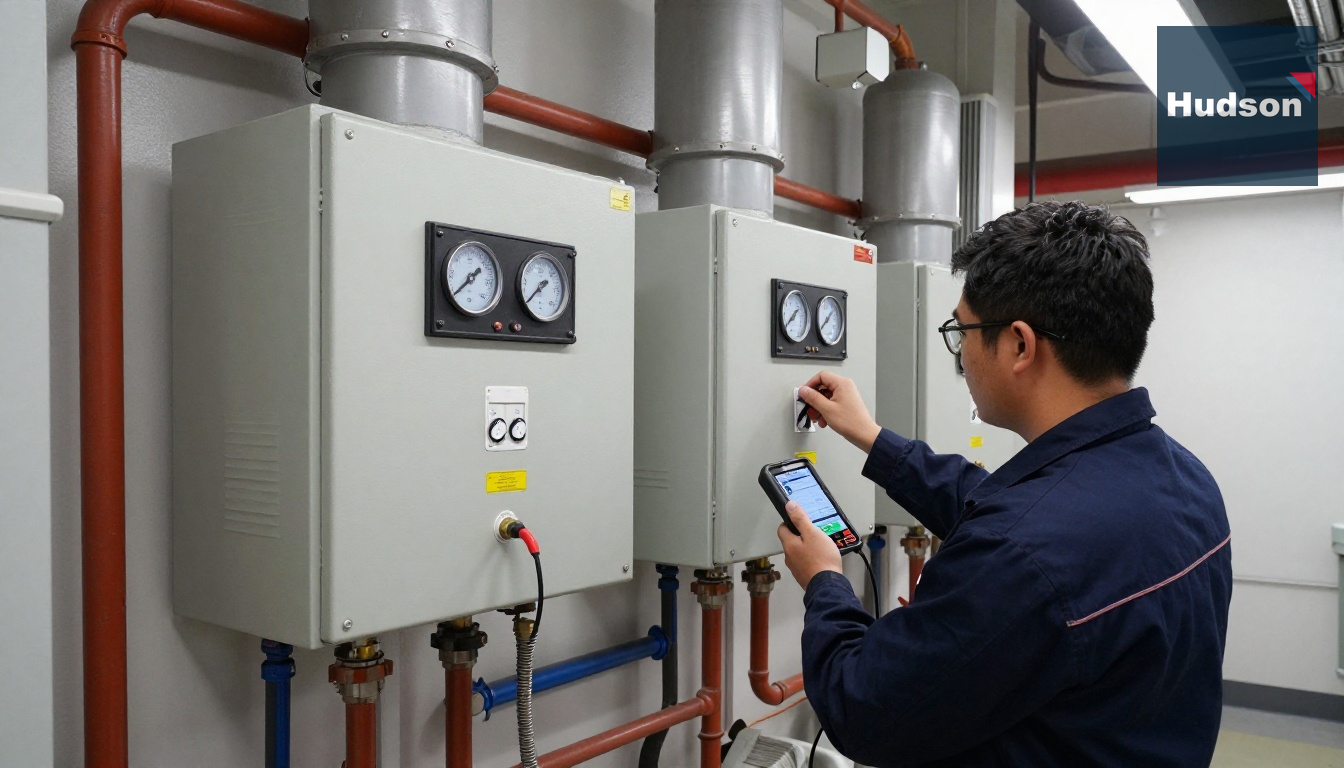
TSSA Regulations for Condo Boilers in Toronto
Quick summary: If your condo has central boilers or pressure vessels, TSSA compliance is not just a paperwork issue—it directly affects life safety, insurance exposure, winter reliability, and reserve fund planning. In Toronto condos, the most expensive compliance failures usually start as small oversights: missing records, overdue safety testing, unverified relief valves, or a boiler room that has been “kept running” without being properly documented.
A lot of boards and property managers only start digging into boiler regulations in Ontario after an inspection concern, insurance question, or mid-winter breakdown. By that point, the problem is usually more expensive to solve. Hudson HVAC has serviced mechanical systems in more than 200 condo buildings across Toronto, North York, and Mississauga, and the pattern is consistent: buildings that treat compliance as part of preventive maintenance spend less, face fewer emergencies, and make better capital decisions.
The real issue: TSSA compliance is operational, not administrative
When people search “tssa regulations condo”, they often expect a simple checklist. The reality inside a Toronto condo mechanical room is more layered. Boilers, expansion tanks, heat exchangers, air separators, relief valves, controls, gas trains, and venting systems all interact. A building can appear to be heating properly and still have significant compliance gaps.
That matters because a boiler room is one of the few places in a condo where a documentation problem can quickly become a safety problem. If a pressure relief valve is undersized, isolated, fouled, or undocumented, the risk is not theoretical. If low-water protection has not been tested under real operating conditions, scale or sludge can prevent a device from responding when it should. This is one reason Hudson recommends pairing compliance reviews with scheduled preventive mechanical maintenance rather than treating them as separate exercises.
In older Toronto and North York high-rises built in the late 80s and 90s, many boiler plants were modified over time—new pumps added, controls swapped, burners upgraded, DHW strategies changed—without the documentation being kept in one place. Hudson routinely finds three different “versions” of the truth: what the original drawings show, what the last service company noted, and what is physically installed today. That mismatch is where many compliance headaches begin.
For boards managing broader HVAC risk, this is also why building-level compliance should connect with suite-level planning such as in-suite HVAC maintenance, because boiler plant instability often shows up first as comfort complaints in perimeter units, poor domestic hot water recovery, or shoulder-season temperature swings.
What equipment in a condo usually falls under scrutiny?
In practical condo terms, the equipment that most often triggers questions around pressure vessel compliance in Toronto includes:
- Central heating boilers
- Domestic hot water boilers
- Indirect tanks and storage vessels
- Expansion tanks
- Air receivers and some compressed-air vessels
- Heat exchangers and associated pressure-retaining components
- Safety relief valves and low-water cutoff assemblies
The exact regulatory treatment depends on design pressure, capacity, fuel type, and system configuration. A 2-boiler hydronic plant in a 22-storey Toronto tower with 2,000 MBH to 4,000 MBH input per boiler is a very different compliance environment than a small low-rise condo with one modular condensing boiler plant. In newer Mississauga mid-rises, Hudson increasingly sees condensing systems from manufacturers like Camus DynaForce, Lochinvar Crest, or Viessmann Vitocrossal, while older buildings may still run atmospheric or non-condensing units that have been repaired well past their ideal lifecycle.
One detail non-experts often miss: a pressure vessel does not need to be “large and dramatic-looking” to create a compliance issue. We have seen small expansion tanks with failed diaphragms cause chronic pressure fluctuation, relief discharge, and repeated makeup water introduction. That extra oxygenated water accelerates corrosion inside the system, shortens pump seal life, and can lead to boiler section damage. It looks like a nuisance problem until it becomes a capital problem.
If your building is already seeing nuisance lockouts, poor heat distribution, or uneven domestic hot water recovery, it may be time to review not only the boiler itself but the larger plant through Hudson’s comprehensive mechanical maintenance program.
What TSSA-related failures Hudson sees most often in Toronto condos
Across Toronto, North York, and Mississauga, the same trouble patterns show up repeatedly.
1. Missing or fragmented documentation
This is the most common issue by far. The boiler may be serviceable, but the records are incomplete: no clear device inventory, no organized relief valve history, no burner setup data, no combustion trend records, no updated sequence of operation, and no clear deficiency closeout trail. During a turnover between management companies, these records often get lost.
A useful benchmark: a well-run condo should be able to produce a boiler-room compliance package within 30 to 60 minutes, not 3 to 4 days of email searching. Hudson has been called into Toronto buildings where simply rebuilding the mechanical documentation file prevented larger delays before planned capital work like boiler replacement.
2. Safety devices that are present but not meaningfully tested
A safety control is not “good” because it exists. Low-water cutoffs, operating controls, manual resets, pressuretrols, flame safeguards, and gas train components need proper verification. We often see controls that were visually inspected but not tested under conditions that prove they will trip and reset correctly.
One field example: in a waterfront Toronto building, a boiler kept short-cycling under low-load conditions. The issue was initially blamed on the building automation system. The actual problem was a control sequence mismatch after a prior upgrade, combined with poor combustion tuning. The boiler was technically running, but not operating as intended, and certainly not in a way any board would want documented during a review.
3. Relief valve neglect
Pressure relief valves are one of the most overlooked components in older condo boiler rooms. They are often left in service too long, painted over, improperly piped, or installed without a recent testing/replacement history. In real terms, a relief valve replacement may cost a few hundred to a few thousand dollars depending on size and isolation strategy, while the consequences of a failed relief path can be severe.
4. Water quality and scaling problems disguised as “boiler issues”
In hard-water areas and older systems with recurring makeup water, scale buildup can increase flue temperatures, reduce efficiency, and create hot spots at heat transfer surfaces. A 1/16-inch scale layer can meaningfully reduce heat transfer; in field conditions, we often see this show up as elevated fuel usage before anyone notices a comfort issue. This is one reason compliance work should not be separated from operational efficiency.
5. Aging ancillary equipment
Boards tend to focus on the boilers themselves, but the weak link is often an actuator, pump, expansion tank, feeder, or three-way valve in the plant. Hudson frequently ties boiler-room reliability work to related repairs such as actuator replacement or three-way valve replacement, because a compliant boiler serving a poorly controlled hydronic loop still creates resident complaints.
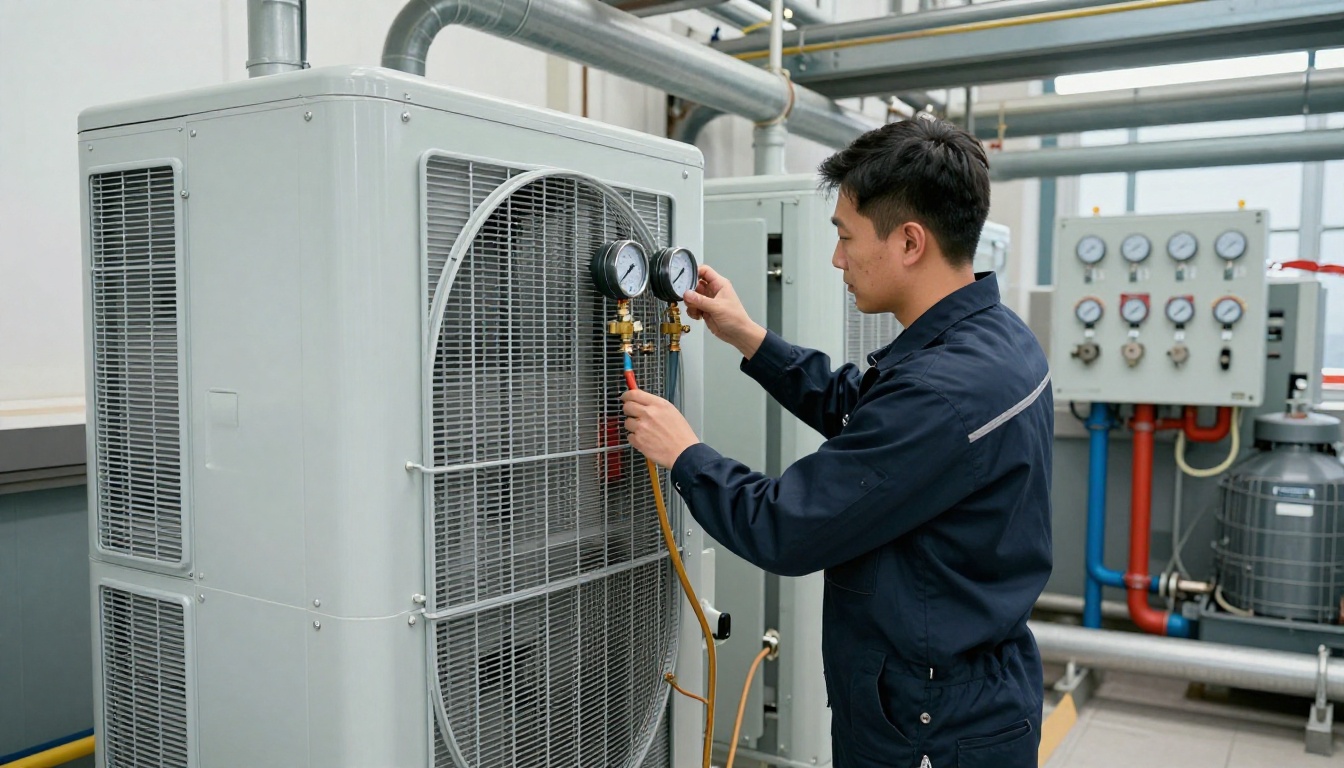
Fall is the best time to get ahead of winter compliance risk
September and October are the ideal months for this work in Toronto. Once November cold arrives, the equation changes. Planned shutdown windows shrink, parts lead times feel longer, and every repair becomes more disruptive because the building is actively depending on heat.
In Hudson’s experience, the most avoidable winter emergencies come from buildings that skipped a proper shoulder-season review. A boiler that “worked fine last March” may still have:
- borderline combustion readings,
- a fouled condensate neutralizer on a condensing unit,
- a weak ignition transformer,
- an expansion tank with lost charge,
- or a relief valve near end of life.
Those issues often survive mild weather and fail under the first sustained heating load. In North York towers with large glass exposure, the first week of real cold can push perimeter demand up sharply, especially on windy west and north elevations. That is when marginal safeties, dirty burners, and unstable control sequences start showing themselves.
Buildings already planning seasonal plant work should combine boiler review with related services like ERV maintenance, generator maintenance, and dryer vent cleaning. It sounds unrelated, but in fall operations the most efficient buildings coordinate life-safety, ventilation, and heating readiness together instead of issuing separate access cycles and shutdown notices.
A practical compliance framework for condo boards and property managers
Rather than memorizing regulations, Hudson recommends using a five-part decision framework.
1. Confirm what you actually own
Start with a current equipment inventory. List each boiler, pressure vessel, burner, expansion tank, feeder, and major safety device. Record make, model, serial number, fuel type, input/output, design pressure, and installation date if known. In many Toronto condos, this step alone reveals undocumented replacements or field modifications.
2. Match physical equipment to records
Compare what is in the room to service reports, drawings, and prior capital studies. If the tag says one thing and the installed burner or control train says another, resolve that discrepancy now. This is especially important in buildings that have completed partial upgrades through phased projects over multiple boards.
3. Verify the safeties, not just the heating output
A boiler can satisfy temperature setpoint and still fail a meaningful risk review. Document testing of low-water cutoffs, flame safeguards, spill or venting protections where applicable, gas pressure switches, and relief devices. The board does not need to perform these tests—but it should insist on records showing they were done.
4. Correct deficiencies before heating season peaks
Deficiency reports are only useful if they lead to action. Hudson has seen boards delay a $1,200 control repair and end up with a $9,000 emergency response plus resident communication fallout. Fall is the time to clear the backlog, especially for parts with recurring lead times.
5. Decide what is maintenance versus capital
Not every compliance issue means immediate replacement. Some can be resolved through service, retubing, control updates, or piping corrections. Others indicate the plant is nearing end of life and should move into a reserve-funded capital plan. If your building is debating patching versus modernization, Hudson can help compare options alongside boiler replacement planning and broader mechanical maintenance.
What you can do right now before calling a contractor
There are several safe, practical steps a property manager or superintendent can take without touching live controls or pressure components.
- Check the boiler room logbook. If service reports, inspection notes, and deficiency closeouts are scattered across emails, start consolidating them now.
- Photograph all equipment nameplates. This helps identify missing records, verify model numbers, and speed up parts research.
- Look for signs of chronic relief discharge. Mineral staining at discharge piping, floor drains, or nearby concrete is a clue that pressure control may be unstable.
- Note gauge inconsistencies. If two gauges on the same system tell very different stories, one may be inaccurate. A bad gauge can delay diagnosis.
- Review makeup water usage. Frequent manual fill events or unexplained water addition often point to leaks, expansion tank issues, or relief activity.
- Schedule service before the first cold snap. Mid-October in Toronto is usually easier than late November for coordinating boiler-room work.
For suite-level complaints that may be connected to plant performance—cold fan coils, poor heat delivery, or thermostat issues—Hudson also handles fan coil repair and replacement, heat pump repair and replacement, and thermostat installation and replacement in occupied condos.
When it is time to call a professional immediately
Call for prompt assessment if you notice any of the following:
- Repeated boiler lockouts in the same week
- Pressure swings that trigger relief discharge
- Sooting, unusual combustion odour, or visible venting concerns
- Unexplained increases in makeup water use
- A safety device found isolated, bypassed, or in questionable condition
- Building-wide heat complaints despite pumps appearing to run
- Domestic hot water recovery delays during morning peak demand
- Any active leak from a pressure-retaining component
In occupied Toronto condos, timing matters. A Tuesday afternoon service call is one thing; a Sunday night no-heat event in January is another. If the plant is already unstable, use emergency HVAC repair before a manageable deficiency becomes a resident-facing crisis.
Hudson also recommends acting faster in older high-rises where original risers, valves, or unit-level hydronic components are still in service. Boiler-room issues often expose weaknesses elsewhere, and some buildings end up pairing plant work with larger items like riser replacement.
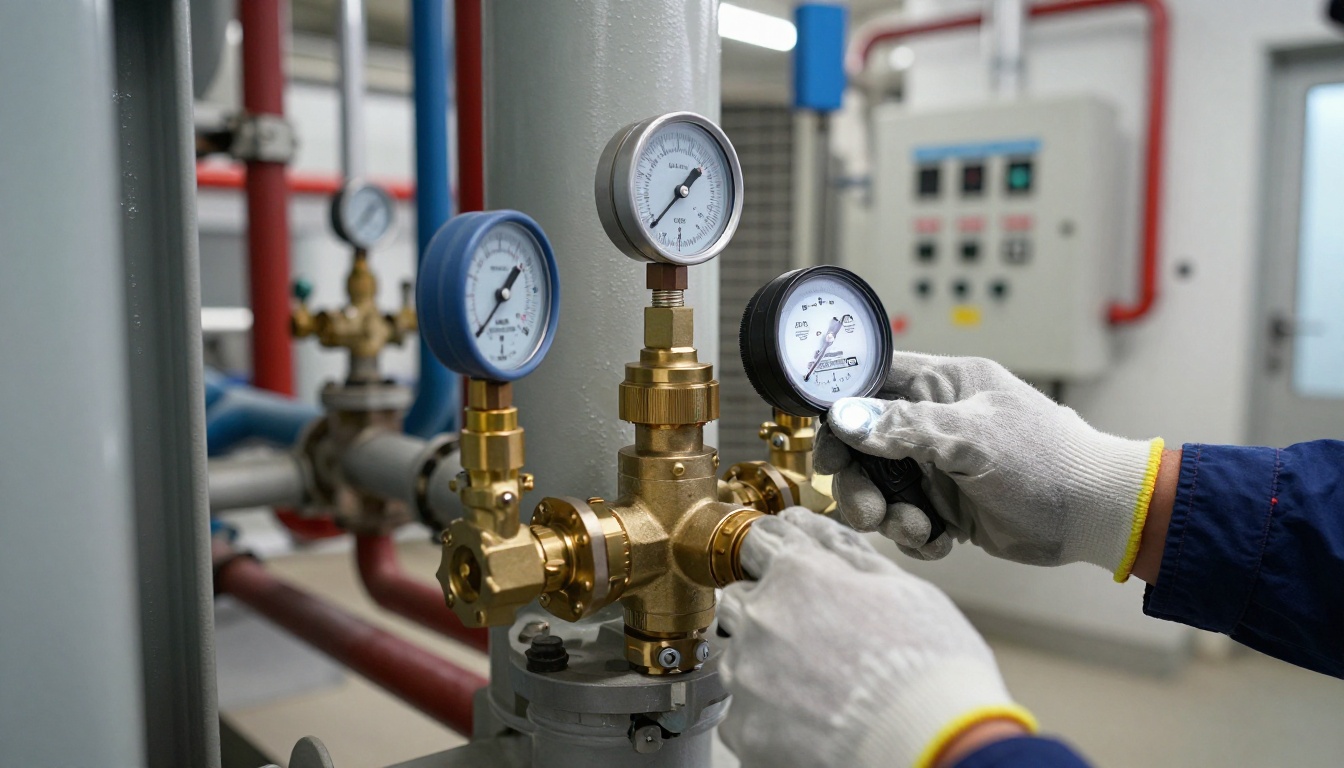
What a proper service visit should include
A real compliance-oriented boiler service visit is not a 20-minute glance at the room. For a typical 2-boiler condo plant in Toronto, an initial assessment usually takes 2 to 4 hours, and a deeper maintenance or deficiency-correction visit may run a half day to a full day, depending on shutdown coordination.
A thorough visit commonly includes:
- Review of available mechanical records and prior deficiencies
- Visual inspection of boilers, burners, piping, venting, and pressure vessels
- Verification of operating pressures and temperatures
- Combustion analysis using calibrated instruments
- Inspection of low-water cutoffs and control sequences
- Review of relief valve condition and discharge piping arrangement
- Assessment of expansion tanks, feeders, and makeup water behaviour
- Recommendations divided into immediate safety, short-term repair, and capital planning
For larger Toronto or Mississauga condo communities, Hudson often structures this in phases: site review, deficiency report, board-facing summary, then execution. That format helps property managers separate urgent life-safety work from reserve-fund items and avoids lumping everything into one confusing quote.
If your plant includes cooling-side integration or shoulder-season switchover concerns, Hudson can also coordinate with chiller maintenance or future chiller retrofit planning where relevant.
Typical cost ranges in the Toronto condo market
Costs vary with boiler size, redundancy, access, and whether shutdowns affect domestic hot water, corridor heating, or multiple occupied systems. But realistic ranges help boards budget intelligently.
Common compliance and corrective costs
| Item | Typical Toronto condo range | Notes |
|---|---|---|
| Boiler room compliance assessment/report | $900-$3,500 | Depends on plant size, record review depth, and reporting detail |
| Annual boiler service with combustion analysis | $750-$2,500 per boiler | Larger condensing units and complex burners cost more |
| Relief valve replacement | $450-$2,500+ | Size, pressure class, and isolation strategy matter |
| Low-water cutoff service/replacement | $600-$2,800 | Probe-style vs float-style affects labour |
| Expansion tank replacement | $1,200-$6,000 | Small bladder tanks at low end; larger commercial units at high end |
| Control/sequence troubleshooting | $900-$4,500 | Often requires multiple visits if documentation is poor |
| Burner repair or ignition component replacement | $700-$5,000 | Depends on make/model and gas train components |
| Boiler retube/major repair | $8,000-$35,000+ | Only viable on certain equipment and ages |
| Full boiler replacement project | $40,000-$400,000+ | Wide range based on capacity, redundancy, venting, and plant scope |
A key insight from condo work: emergency pricing can add 20% to 50% once after-hours labour, temporary measures, and expedited parts are involved. That is why fall planning beats winter reaction almost every time.
For boards considering whether aging suite equipment is contributing to larger plant strain, Hudson also manages fan coil retrofit projects and heat pump replacement projects across condo portfolios.
Repair versus replacement: a board-level decision matrix
Not every TSSA-related finding means “replace the boiler.” But some conditions tell you maintenance dollars are no longer buying reliability.
| Situation | Usually repair | Usually replace/major retrofit |
|---|---|---|
| Boiler under 15 years old with good heat exchanger condition | Yes | Rarely |
| Repeated nuisance lockouts from controls or ignition | Yes | Sometimes if parts obsolete |
| Chronic leaks from pressure-retaining sections | Sometimes | Often |
| Combustion can’t be stabilized to proper readings | Sometimes | Often |
| Major documentation gaps but sound equipment | Yes | No |
| Obsolete parts with long lead times and no redundancy | Sometimes | Often |
| Plant nearing 25-30 years with rising annual repair spend | Less likely | Strong candidate |
In our experience servicing Toronto condos, age alone is not the deciding factor. The more useful indicators are annual repair trend, part availability, combustion stability, and whether the system still has safe redundancy. A 17-year-old boiler in a well-maintained plant can outperform a neglected 10-year-old unit.
FAQs
Does every condo boiler in Ontario fall under TSSA rules?
Most hydronic boilers and many pressure vessels in Ontario condos are regulated by the TSSA, but the exact requirements depend on the equipment type, operating pressure, volume, and how the system is classified. In practical terms, if your Toronto condo has central heating boilers, domestic hot water boilers, expansion tanks, air receivers, or other registered pressure-retaining equipment, there is a strong chance TSSA oversight applies. One common mistake Hudson sees is boards assuming only the main heating boilers matter, while associated pressure vessels and safety devices also require documentation, inspection, and code-compliant maintenance.
What records should a condo corporation keep for boiler and pressure vessel compliance?
At minimum, a condo corporation should maintain equipment inventories, CRN documentation where applicable, installation records, service logs, inspection reports, relief valve test or replacement records, operating procedures, and any deficiency correction reports. In older North York and Mississauga buildings, Hudson often finds records split between property management, prior contractors, and mechanical rooms, which creates risk during an audit or incident review. A clean compliance file should let someone trace each boiler and vessel from installation through annual service, major repairs, and any control or burner modifications.
How often should condo boilers be inspected or serviced to stay compliant?
There is no single one-size-fits-all interval because TSSA compliance, manufacturer requirements, insurance expectations, and the equipment’s duty cycle all overlap. In real condo operations, Hudson recommends at least annual combustion and safety-control service before winter, with many higher-load Toronto high-rises benefiting from semi-annual visits—typically one in early fall and one during late heating season. Safety devices such as low-water cutoffs, pressure relief valves, flame safeguards, and gas trains should be tested on a documented schedule, not just looked at during a quick seasonal startup.
What are the most common compliance issues found in Toronto condo boiler rooms?
The issues Hudson sees most often are incomplete logbooks, overdue relief valve replacement, disabled or bypassed safeties, poor combustion readings, unlabelled isolation valves, and pressure vessels with missing nameplate information. In boiler rooms serving older 80s and 90s condo towers, expansion tanks and air separators are often ignored because they do not fail dramatically until there is a pressure swing, relief discharge, or chronic makeup water problem. Another frequent issue is that a boiler may run, but still be non-compliant because the documentation, testing record, or control sequence no longer matches the installed equipment.
What does it usually cost to bring a condo boiler room back into compliance in Ontario?
Minor compliance corrections can be relatively modest—roughly $500 to $2,500 for documentation cleanup, tagging, gauge replacement, or routine safety-control service. Mid-level corrective work such as relief valve replacement, low-water cutoff servicing, combustion tuning, actuator or valve replacement, or control repairs often lands in the $2,500 to $12,000 range depending on redundancy, access, and shutdown coordination. If a condo in Toronto or North York needs major work such as burner upgrades, boiler section repair, pressure vessel replacement, or a full boiler plant modernization, the budget can move into the $40,000 to $400,000+ range.
Can a condo board wait until a boiler fails before addressing TSSA-related issues?
That is usually the most expensive path. A boiler failure in January can force emergency shutdowns, temporary heating plans, resident complaints, after-hours labour, and insurance scrutiny, especially in high-rise buildings where domestic hot water and corridor pressurization systems are tied into the same mechanical strategy. In Hudson’s experience servicing Toronto condos, fall is the right window to correct deficiencies because parts availability, planned shutdowns, and technician scheduling are all better before the first real cold snap.
Next steps for boards and property managers
If your condo’s boiler room records are incomplete, if your annual service is overdue, or if the plant has been “getting by” on repeated small repairs, do not wait for January to force the decision. A fall compliance review gives your board time to separate immediate safety items from budgeted capital work, coordinate access properly, and avoid resident-facing emergencies.
For Toronto condos, Hudson can help with boiler-room assessments, preventive maintenance planning, deficiency correction, and long-range replacement strategy. If your building also has related mechanical concerns—fan coils, heat pumps, ERVs, chillers, or risers—Hudson can coordinate the work under one condo-focused service plan instead of treating each issue in isolation.
Property managers in Toronto, North York, and Mississauga can also review Hudson’s local service pages for condo HVAC repair in Toronto, condo HVAC repair in North York, and condo HVAC repair in Mississauga. For more practical condo mechanical guidance, visit the Hudson blog.
If your boiler plant has not had a proper documented review ahead of winter, book it now—before the first cold stretch turns a compliance issue into an emergency.
Contact Hudson
- Contact Us
- Phone: +1 (437) 448-0640
- Email: service@hudsonhvac.ca