
Understanding Condo HVAC Zone Valves in Toronto
Learn about HVAC zone valves in Toronto condos, including how they control water flow, common issues, and replacement costs.
- Hudson HVAC
- 4 min read
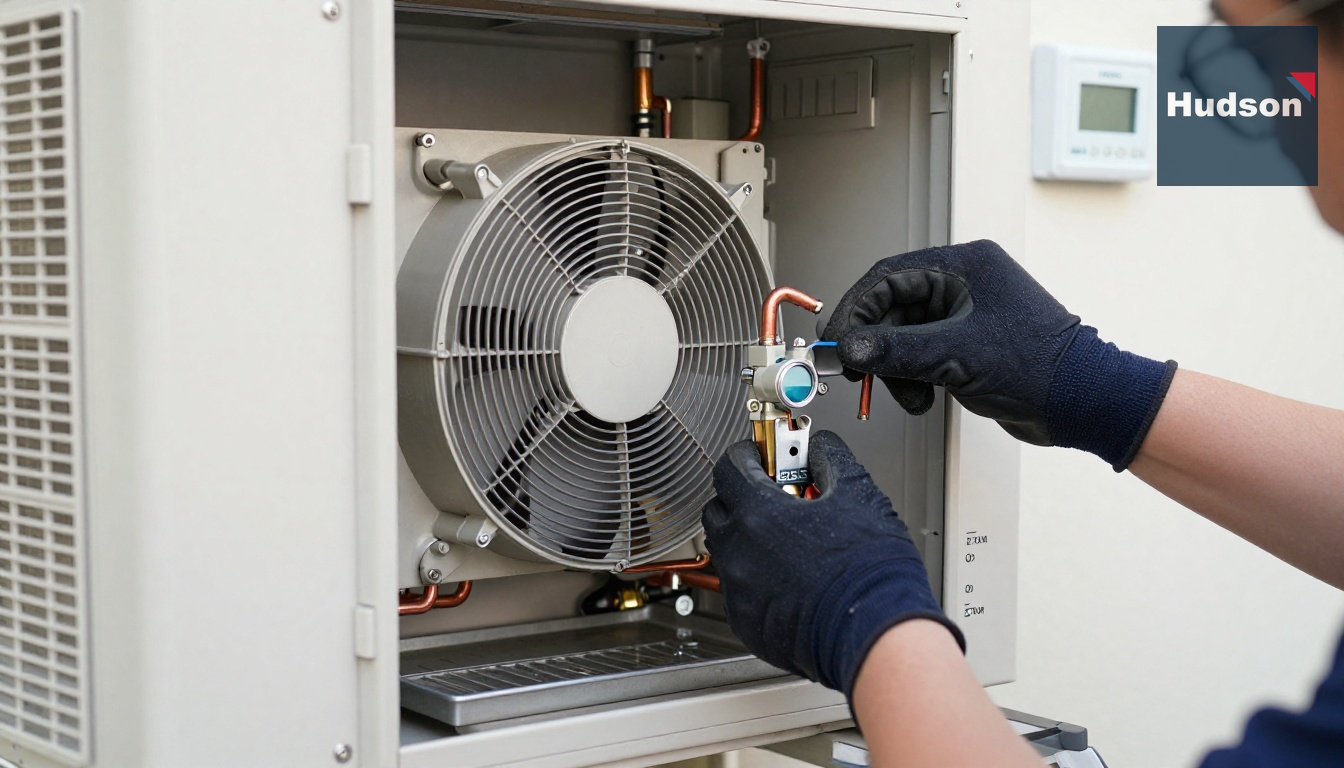
Understanding Condo HVAC Zone Valves in Toronto
Quick summary: HVAC zone valves are crucial components in Toronto condo fan coil systems, controlling water flow to individual zones for precise temperature regulation. Understanding their function, common failure signs, and replacement costs can help condo residents maintain optimal comfort.
What Is a Zone Valve?
A zone valve is an integral part of a condo’s fan coil system, responsible for controlling the flow of hot or cold water to different zones or units within a building. Imagine the zone valve as a traffic cop for water flow, directing whether it should travel down specific ‘streets’ (pipes) to bring comfort to a particular area of your condo. Located typically in the fan coil unit or the riser systems, zone valves ensure that each room or unit can achieve its desired temperature setting independently.
What Does It Look Like?
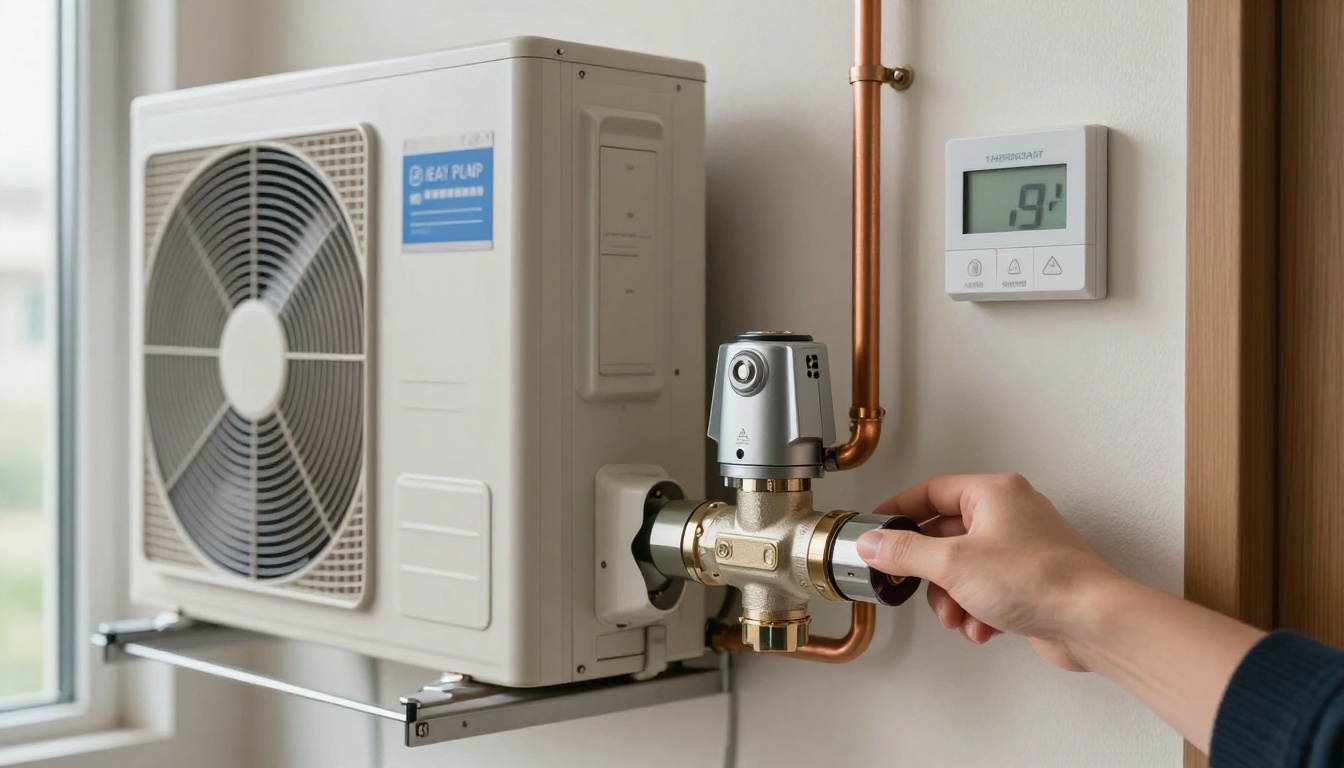
Physically, a zone valve is a small, cylindrical device, often made of brass or stainless steel, with a motorized actuator on top. It’s typically around 3 to 4 inches long and 2 to 3 inches wide, featuring wire connections and a manual override lever. You can find it near the fan coil unit or within the riser system where water pipes distribute heated or cooled water.
How Does It Work?
Zone valves operate by opening or closing to allow water to flow through the heating or cooling coils of the fan coil unit based on thermostat signals. When your thermostat calls for heating or cooling, it sends an electrical signal to the zone valve’s actuator. This actuator, often manufactured by Honeywell or Belimo, uses a small motor to rotate and move the valve to the open position, allowing water to flow through. This precisely controlled flow is what regulates the temperature in individual zones of your condo.
Signs It Might Be Failing
If a zone valve is not functioning correctly, it can lead to temperature control issues in your condo. Here are some symptoms to watch for:
- Inconsistent heating or cooling: A zone that doesn’t reach the set temperature.
- Strange noises: Buzzing or clicking sounds from the valve area.
- Stuck valve: Either open or closed, affecting water flow.
- Manual override lever movement: If it doesn’t move smoothly, it might indicate internal issues.
- Visible leaks: Around the valve area, indicating a possible failure.
Can You Test It Yourself?
While some basic checks can be done safely, always be cautious:
- Visual inspection: Look for signs of corrosion or leaks.
- Listen for unusual noises: A healthy valve should operate silently.
- Check thermostat response: Ensure the zone valve actuates when you adjust the thermostat.
Avoid tampering with electrical connections or attempting to manually force the valve unless you’re experienced, as this could cause damage.
When to Replace vs Repair
Zone valves generally have a lifespan of 5-10 years. If a valve shows signs of wear or fails to operate correctly, consider these factors:
- Age and wear: Older valves (over 7 years) may benefit from replacement rather than repair.
- Cost of repair vs replacement: Sometimes, replacement is more cost-effective than repeated repairs.
- Efficiency: Newer valves may offer better efficiency and control, justifying the investment.
In Toronto, replacement costs range from $350 to $600, including parts and labor, depending on the complexity and brand.
How Hudson Handles This Repair
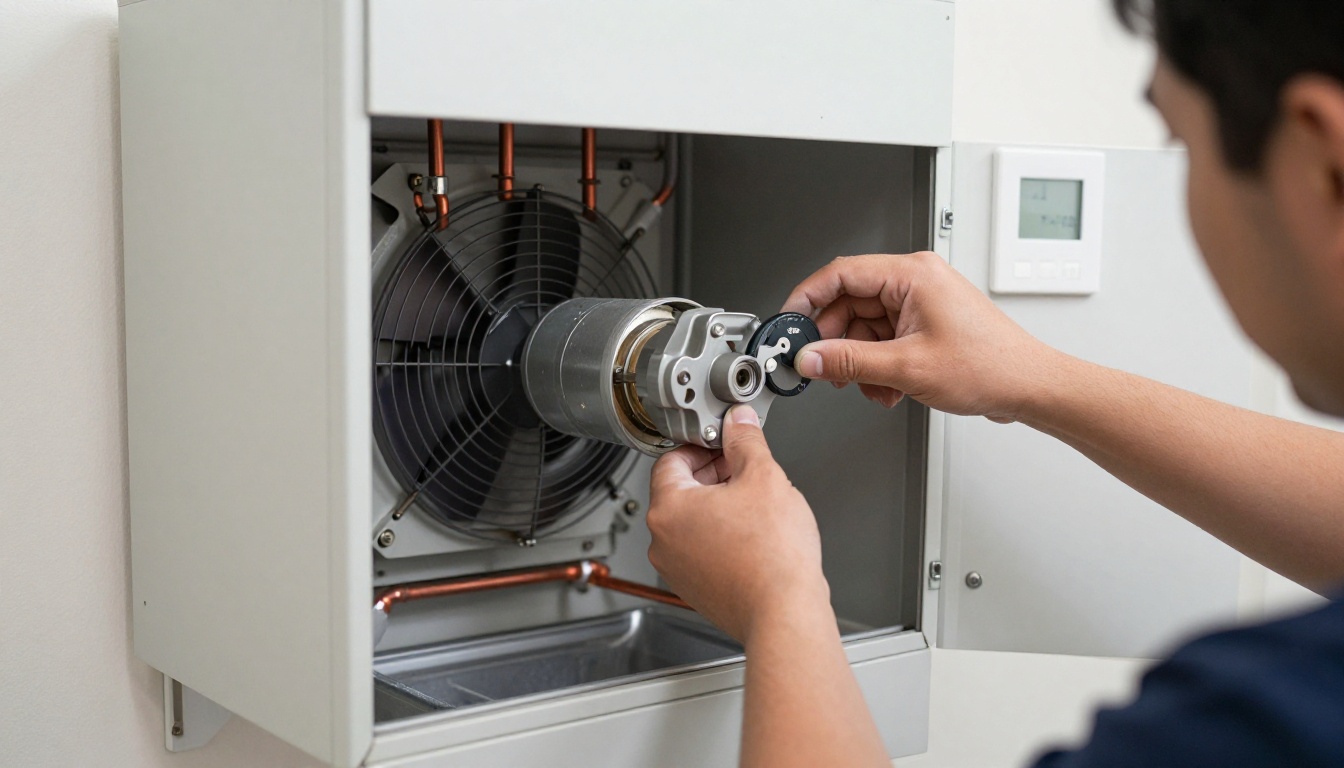
When Hudson HVAC technicians replace a zone valve, we start by diagnosing the issue comprehensively. We safely isolate the water supply, remove the faulty valve, and install a new one from trusted brands like Honeywell or Belimo for durability. Expect the process to take about 1-2 hours, with minimal disruption to your condo environment.
FAQs
What does a zone valve do in a condo HVAC system?
A zone valve controls water flow to specific zones or units, allowing for individual temperature control in different areas of a condo.
How can I tell if my zone valve is failing?
Signs of a failing zone valve include inconsistent temperatures, lack of heating/cooling, strange noises, or a valve that is visibly stuck open or closed.
Can I replace a zone valve myself?
Replacing a zone valve requires plumbing and electrical skills. It’s best handled by a professional to avoid potential damage or safety hazards.
How long do zone valves typically last?
Zone valves in Toronto condos typically last 5-10 years, depending on usage and maintenance. Regular inspections can help extend their lifespan.
What is the cost to replace a zone valve in Toronto?
The cost to replace a zone valve in a Toronto condo ranges from $350 to $600, including parts and labor.
Call to Action
If you notice irregular heating or cooling in your condo, suspect the zone valve might be the issue. For reliable zone valve replacement services in Toronto, contact Hudson HVAC today for a thorough assessment and professional repair.
Contact Hudson:
- Contact Us
- Phone: +1 (437) 448-0640
- Email: service@hudsonhvac.ca