
Understanding the Reversing Valve in Toronto Heat Pumps
Learn about the reversing valve in your Toronto condo heat pump to prevent it from getting stuck in heating mode.
- Hudson HVAC
- 3 min read
Understanding the Reversing Valve in Toronto Heat Pumps
Quick summary: The reversing valve is a critical component in your Toronto condo’s heat pump, allowing it to switch between heating and cooling modes. When this valve fails, your system can get stuck in one mode, leading to discomfort and inefficiency. Learn how to identify issues early and know when to call Hudson HVAC for professional help.
What Is a Reversing Valve?
Imagine being able to switch your air conditioner into a heater with the flip of a switch. That’s essentially what the reversing valve does in a heat pump. This component allows your heat pump to reverse the flow of refrigerant, enabling it to switch between heating and cooling modes. It’s typically located within the heat pump unit itself, often near the compressor.
What Does It Look Like?
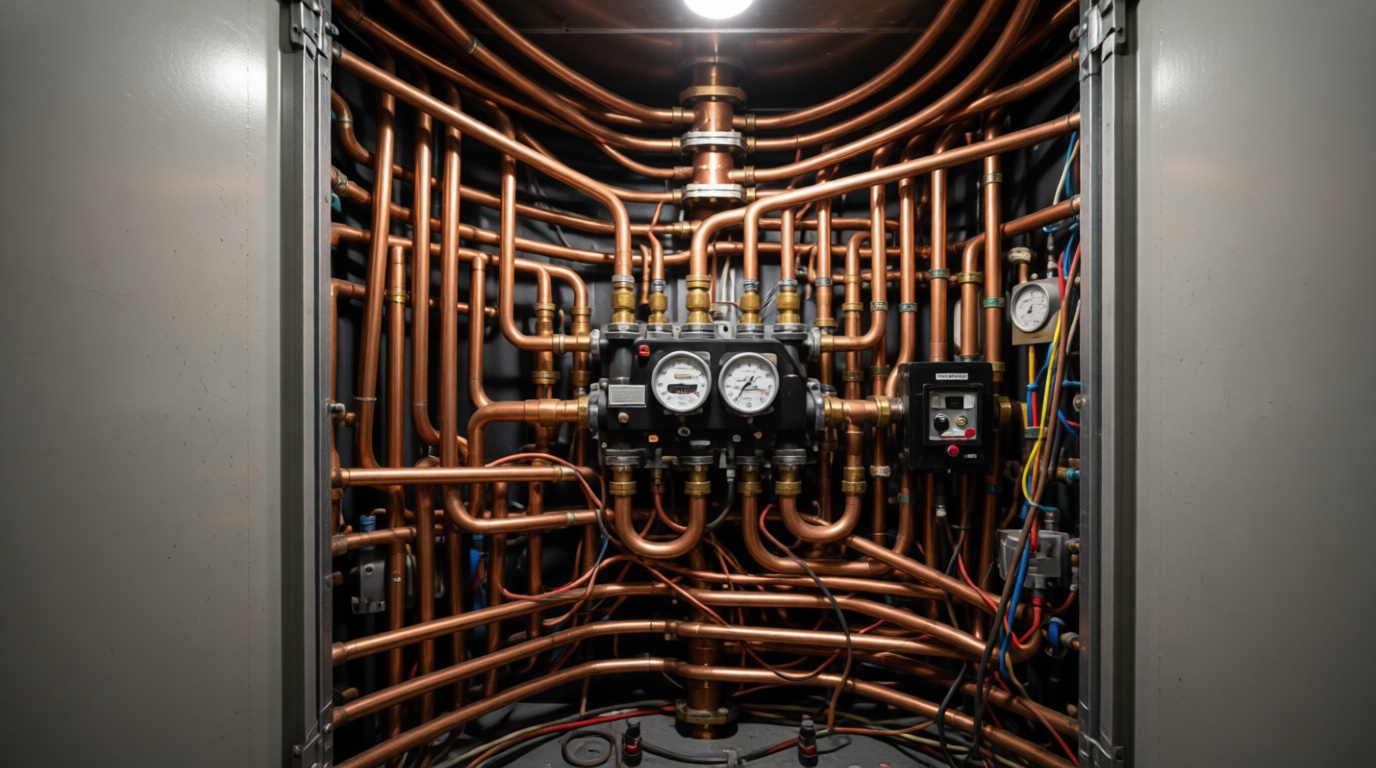
The reversing valve is a metallic component, usually about the size of a small flashlight, with several copper tubes extending from it. It may be encased within protective housing, making it less visible but can be identified by its distinct shape and tubing.
How Does It Work?
In the broader context of your heat pump system, the reversing valve plays a pivotal role. By altering the direction of the refrigerant flow, it either extracts heat from your condo’s interior to cool it down or pulls heat from the outside air to warm your home. This clever mechanism is what makes heat pumps versatile and efficient in Toronto’s varied climate.
Signs It Might Be Failing
If your reversing valve is on the fritz, you might notice some of these symptoms:
- Your heat pump is stuck in either heating or cooling mode, unable to switch.
- Strange hissing or whistling noises coming from the heat pump.
- Inconsistent or insufficient heating or cooling, despite thermostat settings.
- Higher than usual energy bills, indicating inefficiency.
Can You Test It Yourself?
While the reversing valve itself is not user-serviceable, you can perform a few checks:
- Listen for unusual sounds: Hissing or whistling noises can indicate valve issues.
- Check thermostat response: Ensure the system changes modes as expected when you adjust the thermostat.
- Visual inspection: Look for any obvious signs of wear or damage but do not attempt to open or repair the valve.
It’s crucial not to tamper with the valve or any refrigerant components, as this could be dangerous and requires a professional’s expertise.
When to Replace vs Repair
The lifespan of a reversing valve is typically around 10-15 years. Replacement may be more cost-effective if your unit is older or if the valve has sustained significant damage. Repair might be an option for newer systems with minor issues. Consulting with Hudson HVAC can help determine the best course of action.
How Hudson Handles This Repair
When you call Hudson HVAC for a reversing valve issue, our trained technicians will conduct a thorough inspection to confirm the diagnosis. If a replacement is needed, we ensure the process is swift and minimally disruptive, typically completed within a few hours. Our team will also verify the system’s performance post-repair to ensure your condo is comfortable again.

FAQs
What does a reversing valve do in a heat pump?
It switches the heat pump between heating and cooling modes.
How can I tell if my reversing valve is faulty?
Signs include being stuck in one mode, unusual noises, or inefficient temperature control.
Can I replace a reversing valve myself?
No, it’s best handled by a professional due to its complexity and refrigerant handling.
Call to Action
If your heat pump is stuck in heating mode and you suspect a reversing valve issue, don’t hesitate to contact Hudson HVAC for a same-day diagnostic and repair service.
Contact Hudson:
- Contact Us
- Phone: +1 (437) 448-0640
- Email: service@hudsonhvac.ca