
Understanding Your Condo Thermostat: Key to Comfort
Learn about condo thermostats, their role in Toronto HVAC systems, and maintenance tips for optimal comfort.
- Hudson HVAC
- 3 min read
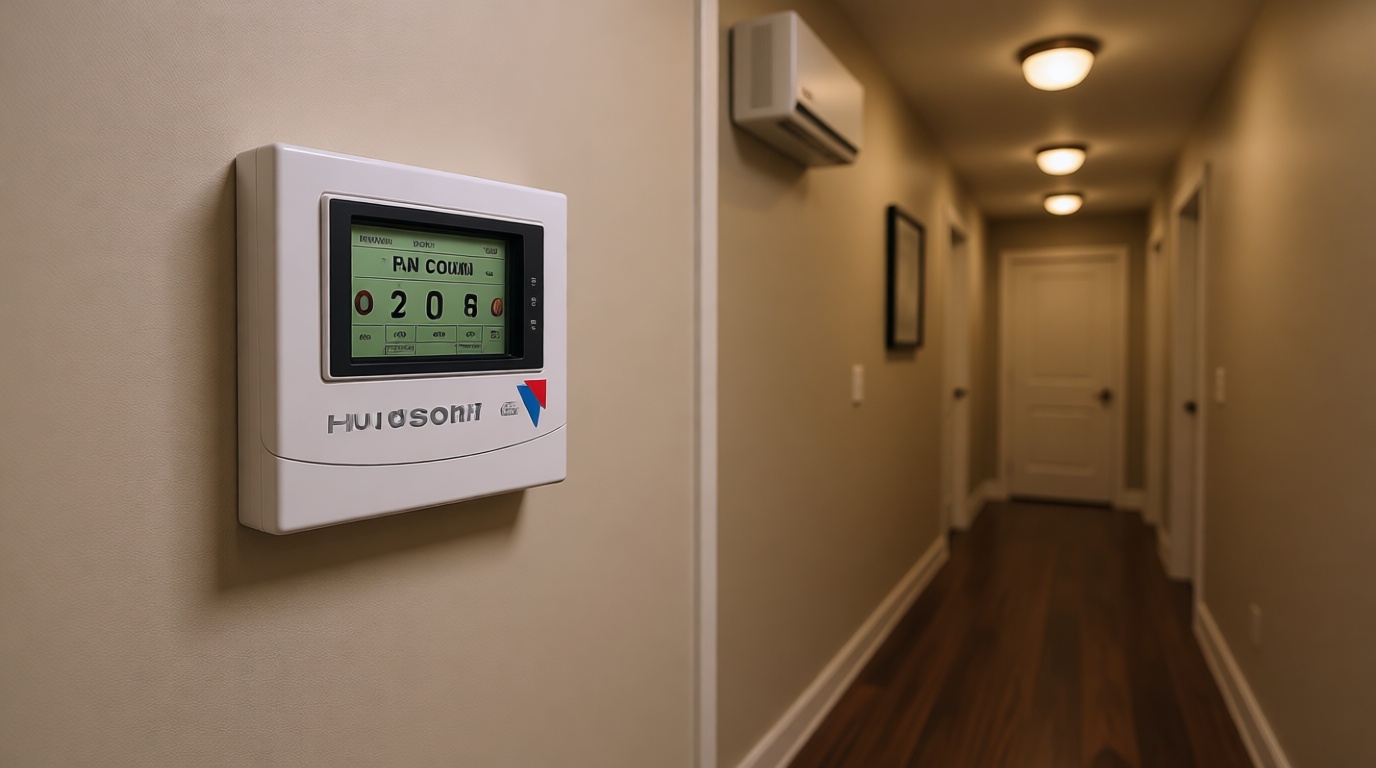
Understanding Your Condo Thermostat: Key to Comfort
Quick summary: Your condo thermostat acts as the control center for your heating and cooling system, crucial for maintaining comfort. Located on the wall, it communicates with your fan coil or heat pump to regulate the temperature. Recognizing signs of thermostat issues can ensure your HVAC system runs efficiently.
What Is a Thermostat?
A thermostat is the command center for your condo’s heating and cooling system, often mounted on a wall in your living space. Imagine it as the conductor of an orchestra, coordinating the various components of your fan coil or heat pump to maintain the desired indoor temperature. When you adjust the thermostat, it sends signals to your HVAC system to either heat or cool your condo to your preferred setting.
What Does It Look Like?
Thermostats in Toronto condos, such as the Unilux or Honeywell models, typically have a small, rectangular design with a digital or analog display. They are generally white or off-white and are found in a convenient location on your wall, often near the living room or hallway.
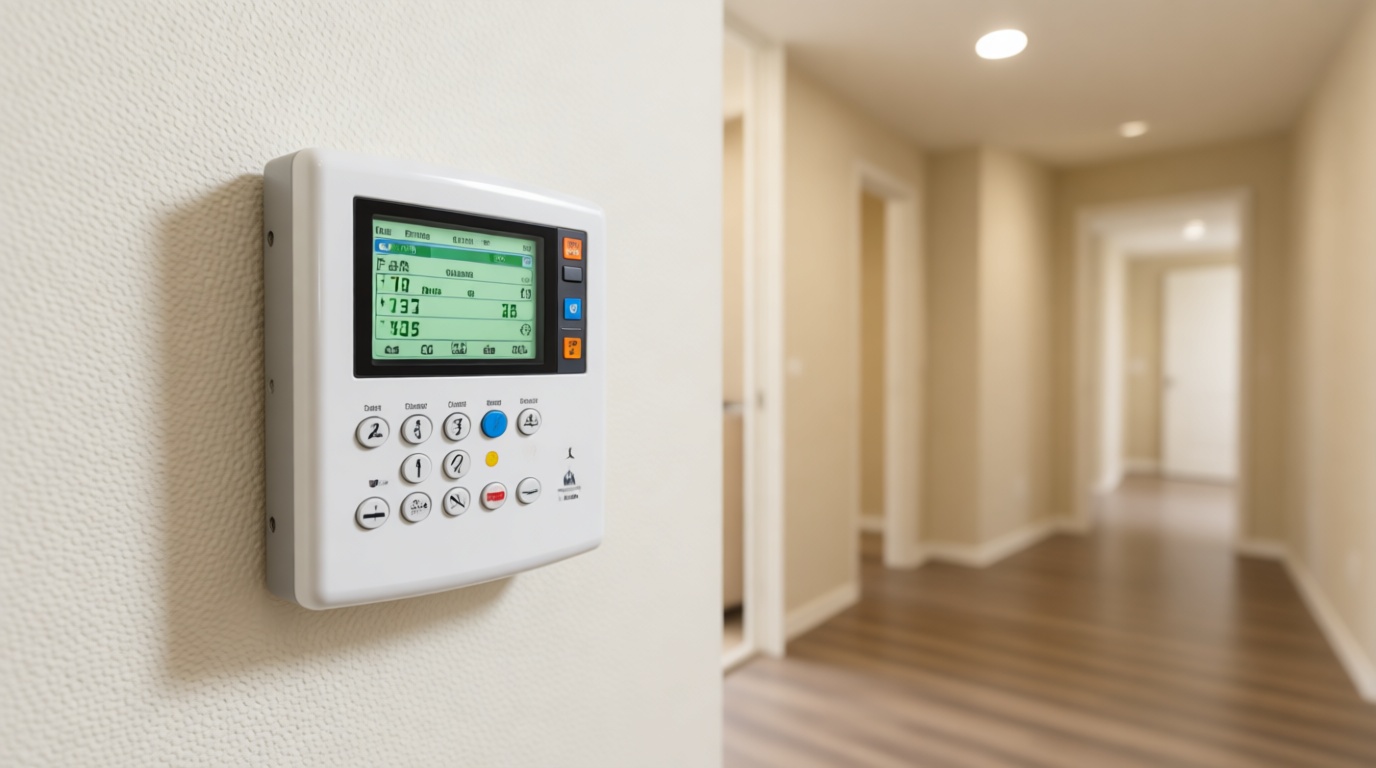
How Does It Work?
A thermostat works by sensing the ambient temperature and comparing it to the desired setting. If there’s a difference, it signals your fan coil or heat pump to adjust the temperature accordingly. For instance, if it’s spring in Toronto and you switch to cooling mode, the thermostat will activate the cooling function of your HVAC system until the room reaches the set temperature.
Signs It Might Be Failing
- Inconsistent Temperature: If your condo feels warmer or colder than the set temperature, your thermostat might be malfunctioning.
- Unresponsive Controls: Pressing buttons with no response could indicate a problem.
- Display Issues: Flickering or blank screens suggest power issues.
- Frequent Cycling: If your fan coil or heat pump turns on and off frequently, the thermostat could be to blame.
- Higher Energy Bills: Unexpected spikes in energy costs can be a result of a faulty thermostat.
Can You Test It Yourself?
You can perform a simple DIY check by adjusting the temperature setting and listening for the HVAC system to respond. Ensure the thermostat display is clear and the buttons function properly. Do not attempt to open the thermostat or tamper with wiring.
When to Replace vs Repair
Thermostats generally last around 10 years, but if you notice persistent issues or if it’s outdated, consider replacing it. Newer models offer better energy efficiency and smart features. If repairs are frequent, replacement might be more cost-effective.
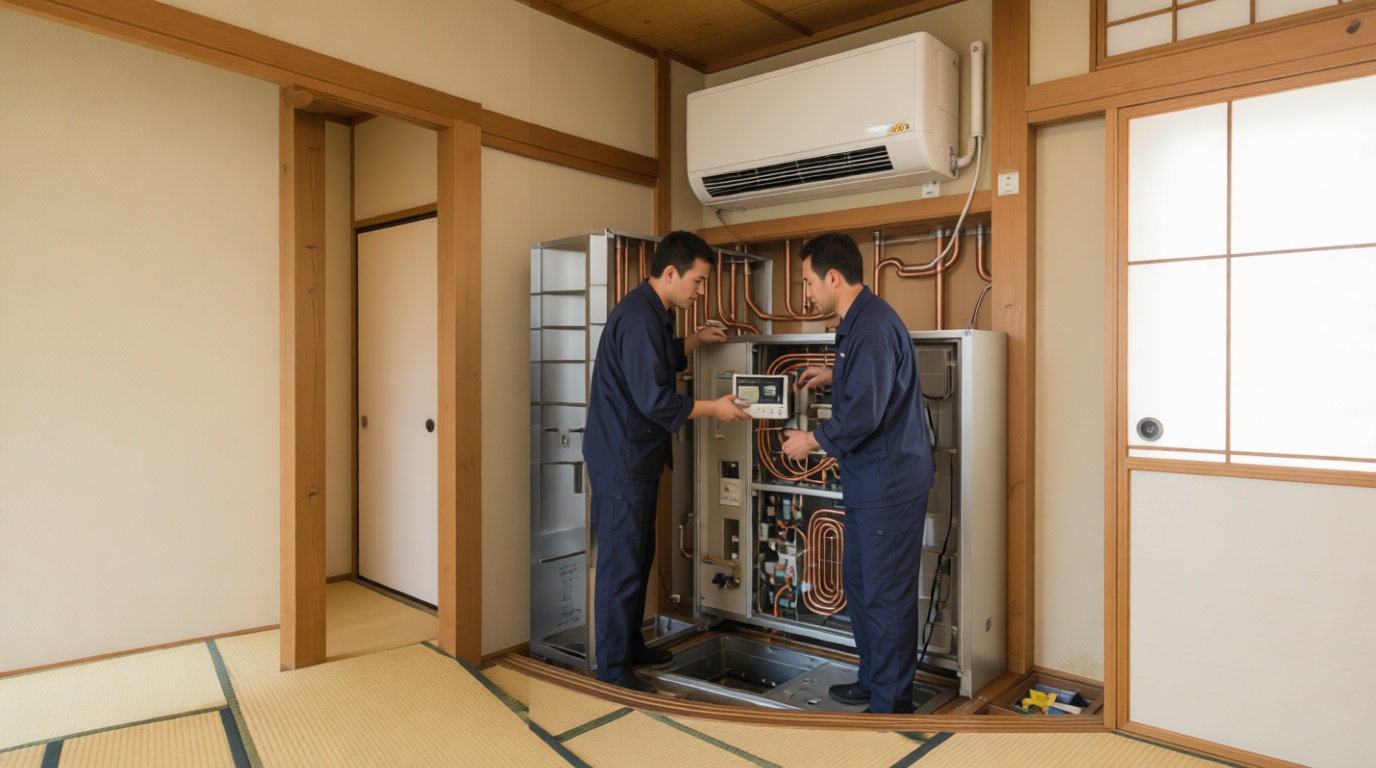
How Hudson Handles This Repair
When you call Hudson HVAC for thermostat issues, a technician will assess the unit to determine if a repair or replacement is necessary. They will check for wiring issues, recalibrate the device, or install a new model if needed. Most repairs or replacements can be completed within a few hours, ensuring minimal disruption to your comfort.
FAQs
What does a thermostat do in a condo?
It controls the heating and cooling by communicating with your HVAC system.
How often should I replace my condo thermostat?
Typically every 10 years or when it shows signs of failure.
Can a faulty thermostat affect my HVAC system?
Yes, it can lead to inefficient heating or cooling, affecting comfort and energy bills.
Call to Action
If your thermostat is unresponsive or causing temperature issues, don’t wait! Contact Hudson for a same-day diagnostic and ensure your condo remains comfortable and energy-efficient.
Contact Hudson:
- Contact Us
- Phone: +1 (437) 448-0640
- Email: service@hudsonhvac.ca