Understanding Your Condo's Chiller System in Toronto
Explore how chiller systems cool Toronto condos, ensuring comfortable living for hundreds of residents. Learn about maintenance and efficiency tips.
- Hudson HVAC
- 5 min read
Understanding Your Condo’s Chiller System: How It Cools Hundreds of Units
Quick summary: Condo chiller systems are complex networks essential for cooling large buildings like those found in Toronto. They efficiently cool hundreds of units by circulating chilled water, and regular maintenance is crucial to keep them operating effectively, especially during the transition from heating to cooling seasons.
The Fast Diagnosis: What’s Going On?
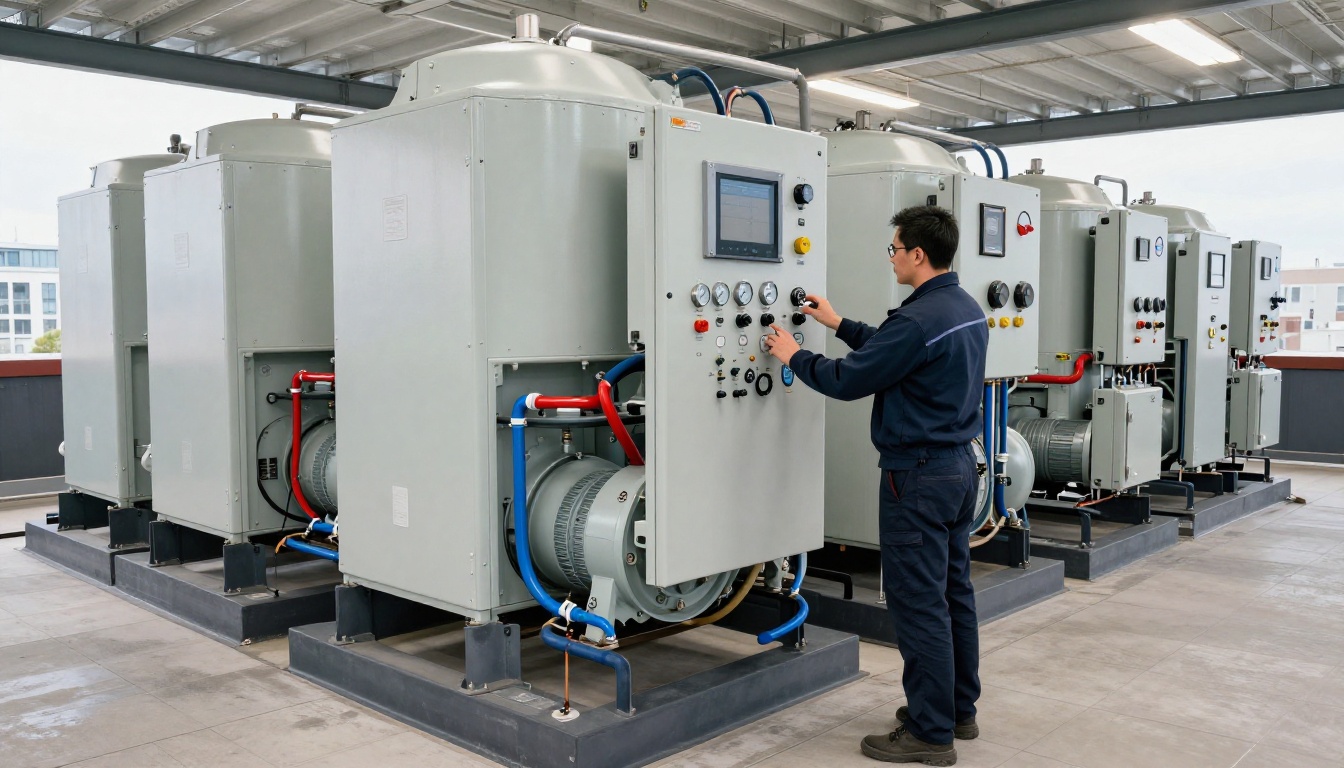
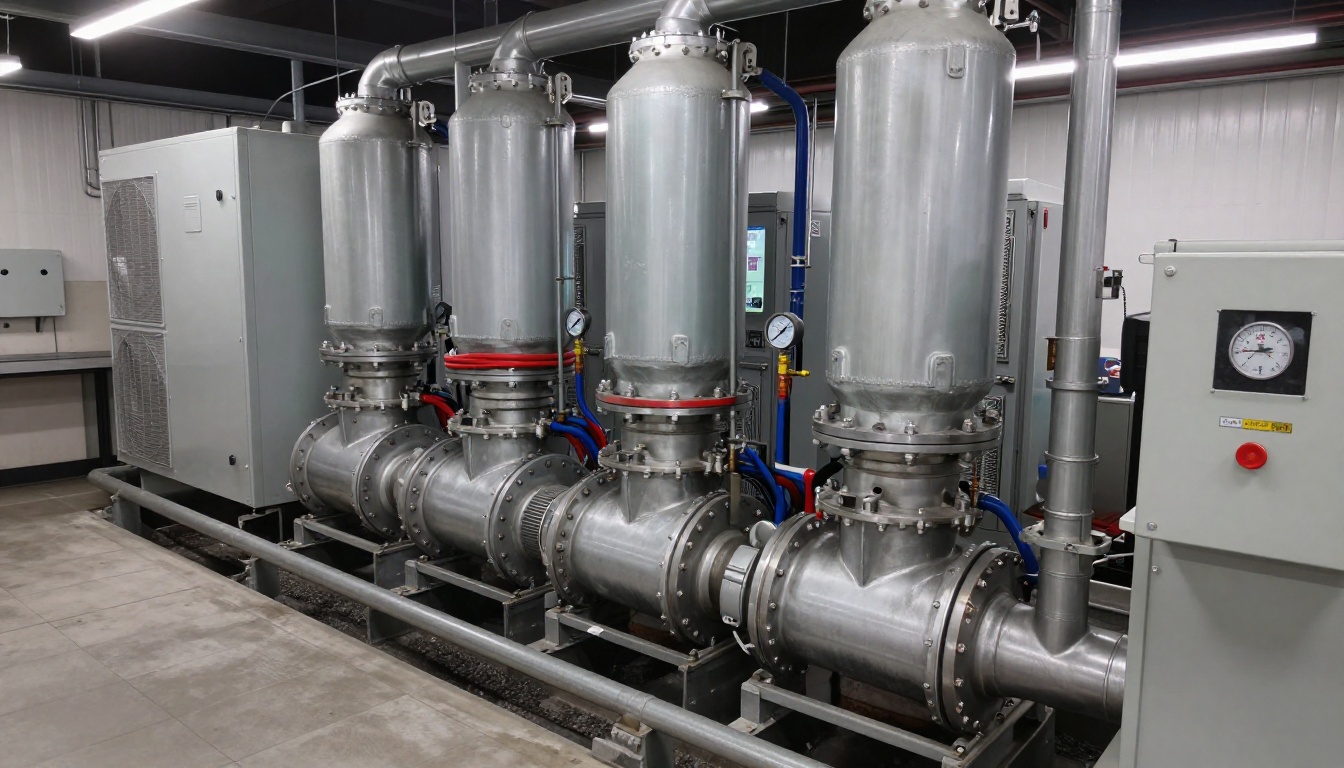
In the heart of Toronto, where condo living is prevalent, understanding your building’s chiller system can be the key to ensuring a comfortable living environment as temperatures rise. Chillers are the unsung heroes behind the scenes, keeping your condo comfortably cool. They work by using a refrigerant to extract heat from water, which is then pumped through fan coils or air handling units to absorb heat from indoor air.
The system then returns the warmed water back to the chiller to be cooled again, starting the cycle anew. This process is vital in buildings across neighborhoods like North York and Markham, where high-rise condos are the norm.
Common Causes: Why This Happens
The primary role of a chiller system is to regulate indoor temperatures efficiently. However, several factors can impact its performance:
- Age and Wear: Older systems, especially those installed in the 1980s or 1990s, might face issues like worn-out compressors or evaporators. For instance, in one Richmond Hill building, a 25-year-old chiller experienced frequent shutdowns due to outdated controls.
- Lack of Maintenance: Condos that skip regular maintenance checks might see reduced efficiency and higher energy bills. Components like cooling towers and heat exchangers require periodic cleaning to prevent scale buildup.
- Improper Load Management: Overloading the system on particularly hot days can cause stress on components like the condenser, leading to potential failures.
What You Can Do Right Now: DIY Safe Steps
While active maintenance should be left to professionals, there are a few things residents can do:
- Check Your Unit’s Fan Coil Filters: Locate the filter behind the access panel of your fan coil unit. Slide it out and hold it up to a light source. If you can’t see through it, it’s time to replace it.
- Report Leaks Immediately: Any water pooling near fan coil units should be reported to building management promptly to prevent mold and system inefficiencies.
- Keep Air Vents Unobstructed: Ensure that air can flow freely by keeping furniture and curtains away from vents.
When to Call a Professional: Signs You Need Help
If you notice any of the following issues, it might be time to contact a professional service like Hudson HVAC:
- Inconsistent Cooling: Rooms not maintaining the set temperature could indicate a problem with the chiller or fan coil units.
- Unusual Noises: Sounds such as hissing or clanking might signal a mechanical issue.
- Increased Energy Bills: A sudden spike in energy usage often points to a system working harder than necessary.
What to Expect from a Service Visit: Typical Timeline and Process
When a service technician visits, they will:
- Inspect Major Components: This includes the compressor, condenser, evaporator, and cooling towers. Each component is checked for wear and efficiency.
- Perform Diagnostics: Using specialized tools, technicians will assess the system’s refrigerant levels, temperature differentials, and pressure points.
- Conduct Minor Repairs: Simple fixes like tightening connections or replacing filters can be done immediately, while more extensive repairs may require additional visits.
A comprehensive service visit typically takes 2-3 hours, but this can vary based on the system’s complexity and the number of units it serves.
Cost Factors with Real Ranges
The cost of maintaining a chiller system varies, with several influencing factors:
- System Size and Complexity: Larger systems serving more units will naturally incur higher costs.
- Age of the System: Older systems may require more frequent repairs and part replacements.
- Frequency of Service: Regular maintenance contracts can offer savings compared to ad-hoc service calls.
For most Toronto buildings, expect annual maintenance costs to range from $1,500 to $3,000. This investment is crucial to prevent more expensive repairs or replacements.
FAQs
How does a chiller system work in a condo?
A chiller system in a condo circulates chilled water through coils in fan coil units or air handling units within suites. This water absorbs heat from the air, cooling it before it’s blown into living spaces. The chilled water is then returned to the chiller to be cooled again.
What are signs my condo’s chiller system needs maintenance?
Signs include inconsistent cooling, unusual noises, increased energy bills, or visible leaks. Regular inspections, typically recommended every six months, can prevent these issues by ensuring components like compressors and evaporators function correctly.
How often should a condo chiller system in Toronto be serviced?
Given Toronto’s fluctuating weather, condo chiller systems should ideally be serviced biannually — in spring and fall. This ensures they’re ready for the high demand during summer and helps in transitioning back to heating in winter.
What is the cost range for chiller system maintenance in Toronto?
Routine maintenance for a condo chiller system can range from $1,500 to $3,000 annually, depending on the system’s size and complexity. Larger buildings or those with older systems might incur higher costs due to more extensive inspections and potential repairs.
Can residents influence the chiller system’s efficiency?
Residents can help maintain efficiency by ensuring their unit’s fan coil filters are clean and reporting any leaks or issues immediately. Proper insulation and sealing drafts also contribute to optimal system performance and energy savings.
Next Steps
Keeping your condo’s chiller system in top shape is crucial as we head into the warmer months. If you haven’t scheduled your spring maintenance yet, now is the time to do so. This will ensure your system is running optimally, preventing any surprises during peak cooling demand.
Contact Hudson
For expert chiller maintenance or to book a service with Hudson HVAC, reach out to us at:
- Phone: +1 (437) 448-0640
- Email: service@hudsonhvac.ca