
Understanding Your Condo's Condensate Pump
Learn about condensate pumps in Toronto condos, including signs of failure and replacement options.
- Hudson HVAC
- 3 min read
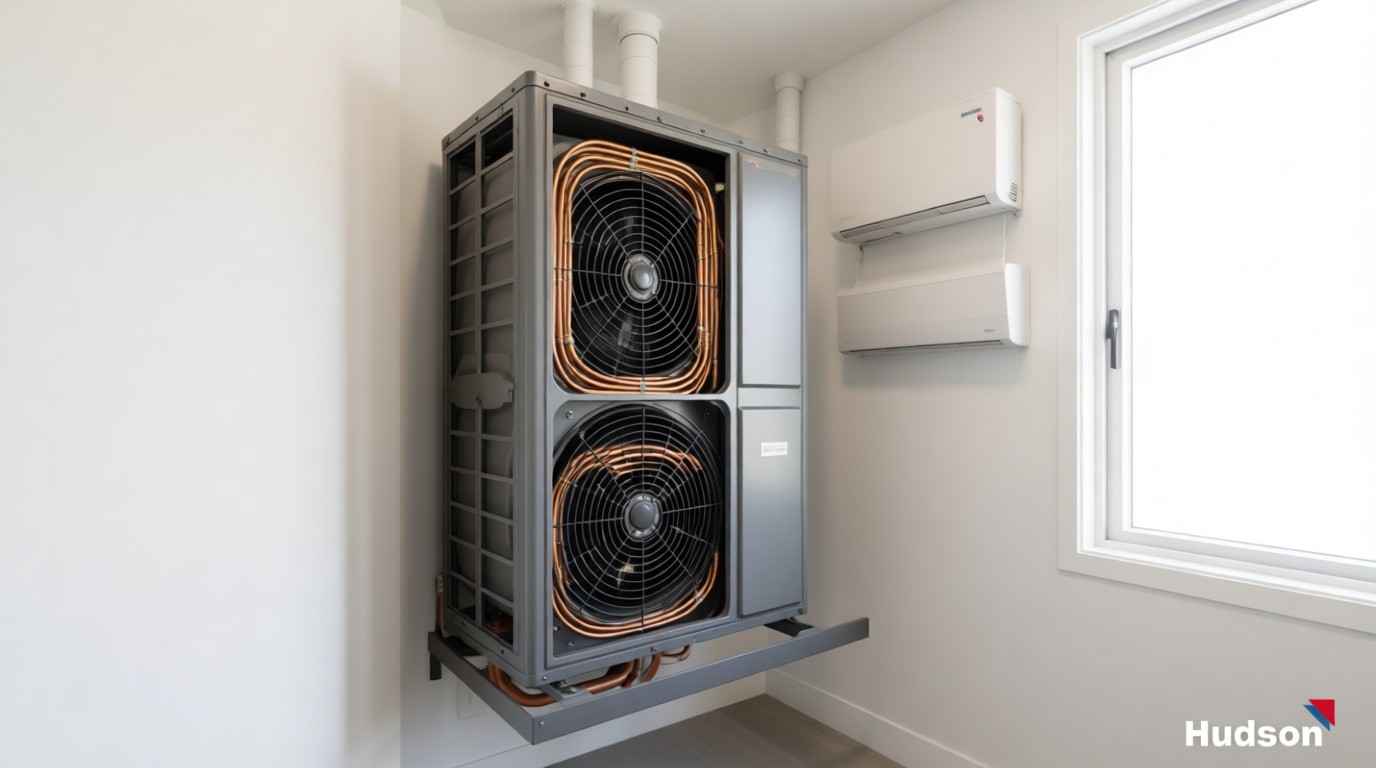
Understanding Your Condo’s Condensate Pump
Quick summary: The condensate pump is a crucial component in Toronto condo HVAC systems, responsible for removing water formed by condensation. Without it, you risk water damage and mold growth. Here’s how to spot issues and when to call Hudson HVAC for help.
What Is a Condensate Pump?
A condensate pump is a small but mighty part of your condo’s HVAC system, tasked with removing excess water that results from the cooling process. Much like how a sponge soaks up water, the pump collects condensation and then pumps it out when gravity drainage isn’t an option—common in high-rise buildings like those in Toronto, Mississauga, and Vaughan.
What Does It Look Like?
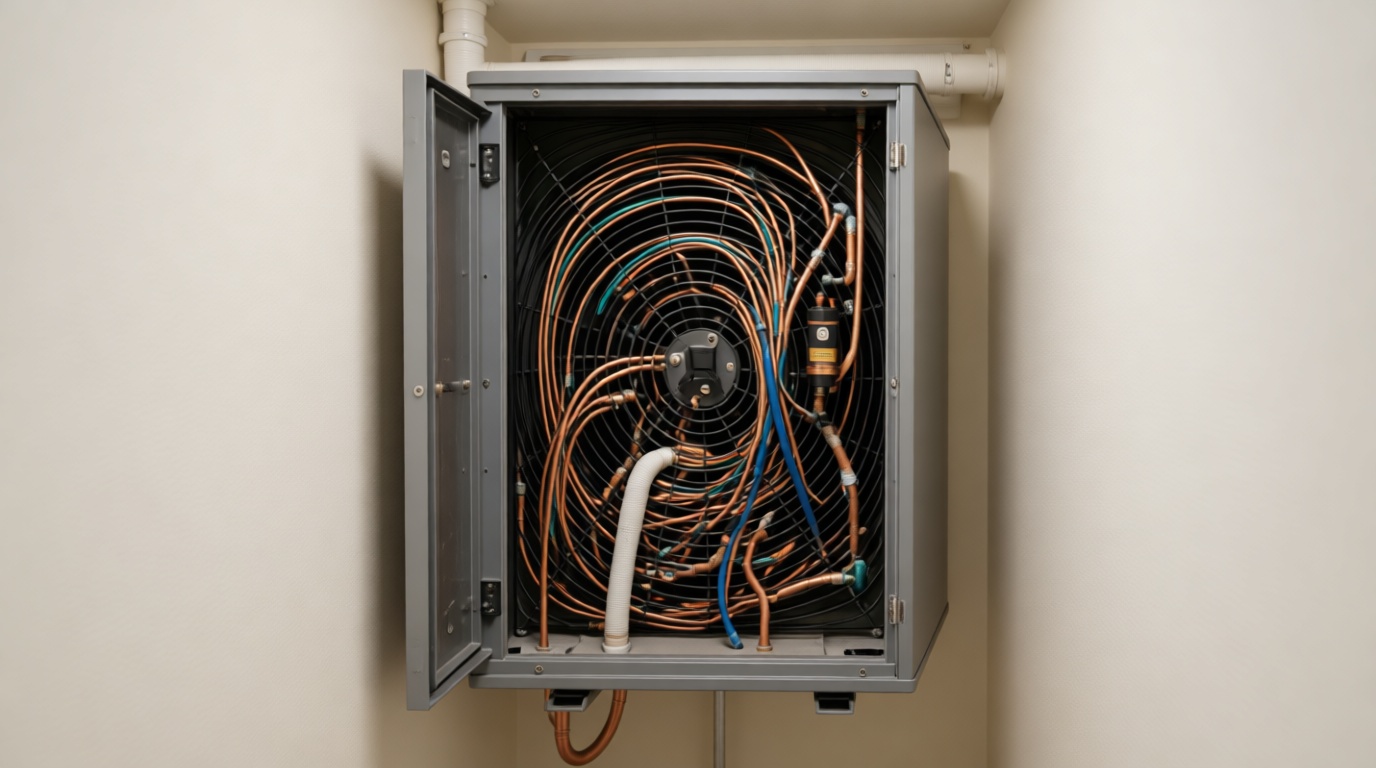
The condensate pump is typically a compact, rectangular unit, often white or beige, with a small reservoir at the bottom. It usually fits snugly inside the fan coil unit or heat pump system, connected by hoses to collect and discharge water.
How Does It Work?
During the cooling cycle, your HVAC system naturally produces condensation. The condensate pump ensures this water is efficiently removed. As the water level in the pump’s reservoir rises, a float switch activates the pump, pushing the water through a drain line to a safe disposal point. This process prevents water buildup that could lead to leaks or mold.
Signs It Might Be Failing
Watch out for these tell-tale signs that your condensate pump might be on the fritz:
- Water leaks around the HVAC unit
- A moldy smell or visible mold near the unit
- Unusual noises like gurgling or grinding
- The HVAC system shutting off unexpectedly
- Water pooling in the drain pan (check out our drain pan services)
Can You Test It Yourself?
While some simple checks are safe, exercise caution:
- Visually inspect the pump for water leaks or damage.
- Listen for unusual noises when the system is running.
- Check if the HVAC unit shuts off unexpectedly.
Avoid opening the pump or attempting repairs—leave that to the experts at Hudson HVAC for fan coil maintenance and heat pump maintenance.
When to Replace vs Repair
Condensate pumps generally last about 3-5 years. If you’re facing frequent failures, replacement may be more cost-effective than repeated repairs. Hudson HVAC can assess whether repair or condensate pump replacement is the best route.
How Hudson Handles This Repair
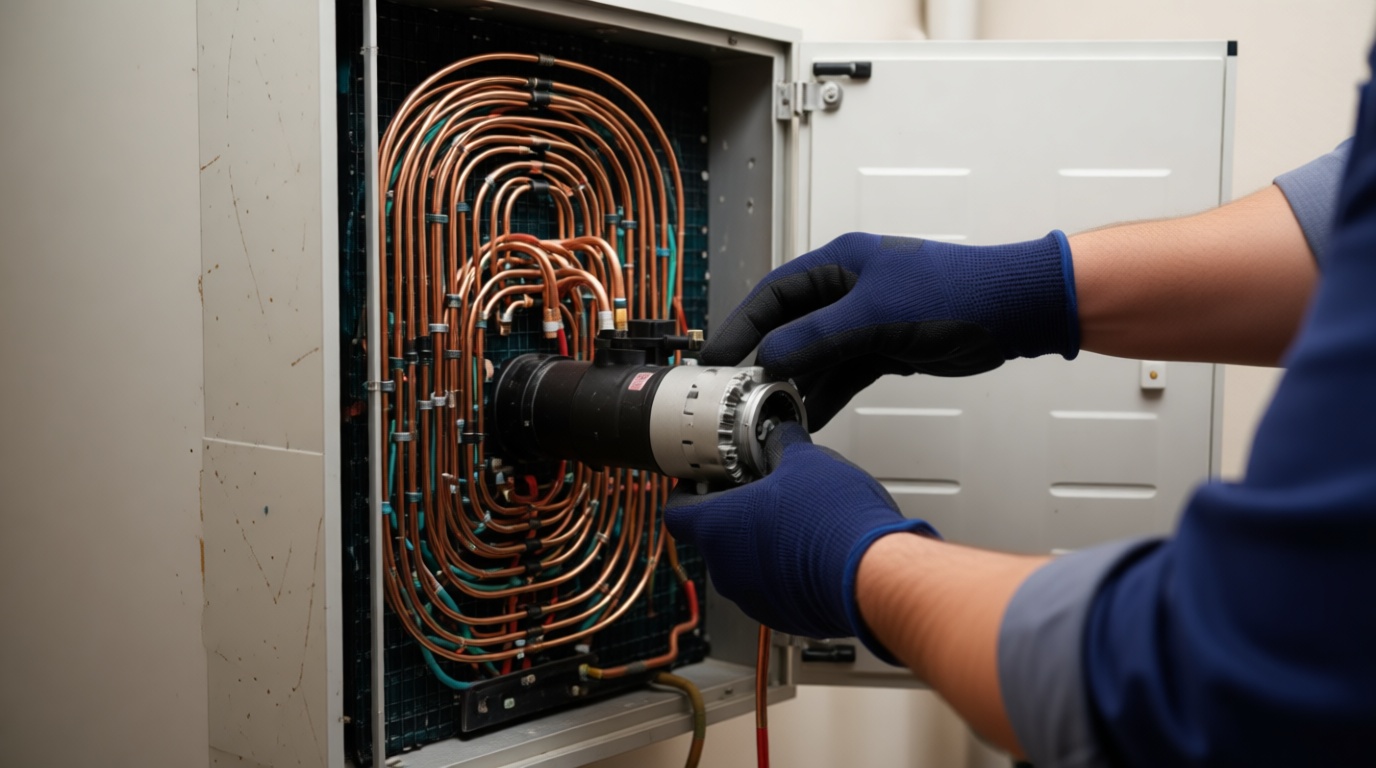
When Hudson HVAC steps in, expect a thorough inspection followed by either a repair or replacement. Our technicians will:
- Diagnose the issue quickly
- Provide a detailed explanation of the problem
- Replace the pump if necessary, ensuring proper installation
- Offer preventive tips to avoid future issues
FAQs
What is a condensate pump?
A device that removes condensation from HVAC systems when gravity drainage is not possible.
How do I know if my condensate pump is failing?
Signs include water leaks, strange noises, and frequent system shut-offs.
Can I replace the condensate pump myself?
It’s best to have a professional like Hudson HVAC handle the replacement to ensure proper installation.
Call to Action
If your condo’s HVAC system is exhibiting signs of condensate pump failure, don’t wait for water damage to escalate. Call Hudson today for a same-day diagnostic and repair.
Contact Hudson
- Contact Us
- Phone: +1 (437) 448-0640
- Email: service@hudsonhvac.ca