
Understanding Your Condo's ERV: Energy Recovery Ventilator
Learn about the ERV in your Toronto condo. Discover its role in ventilation and energy efficiency.
- Hudson HVAC
- 3 min read
Understanding Your Condo’s ERV: Energy Recovery Ventilator
Quick summary: An Energy Recovery Ventilator (ERV) is an essential component in many Toronto condo ventilation systems. It improves indoor air quality by exchanging stale indoor air for fresh outdoor air while recovering energy from the outgoing air. This guide explains how it works, signs of failure, and when to call Hudson HVAC for maintenance.
What Is an Energy Recovery Ventilator (ERV)?
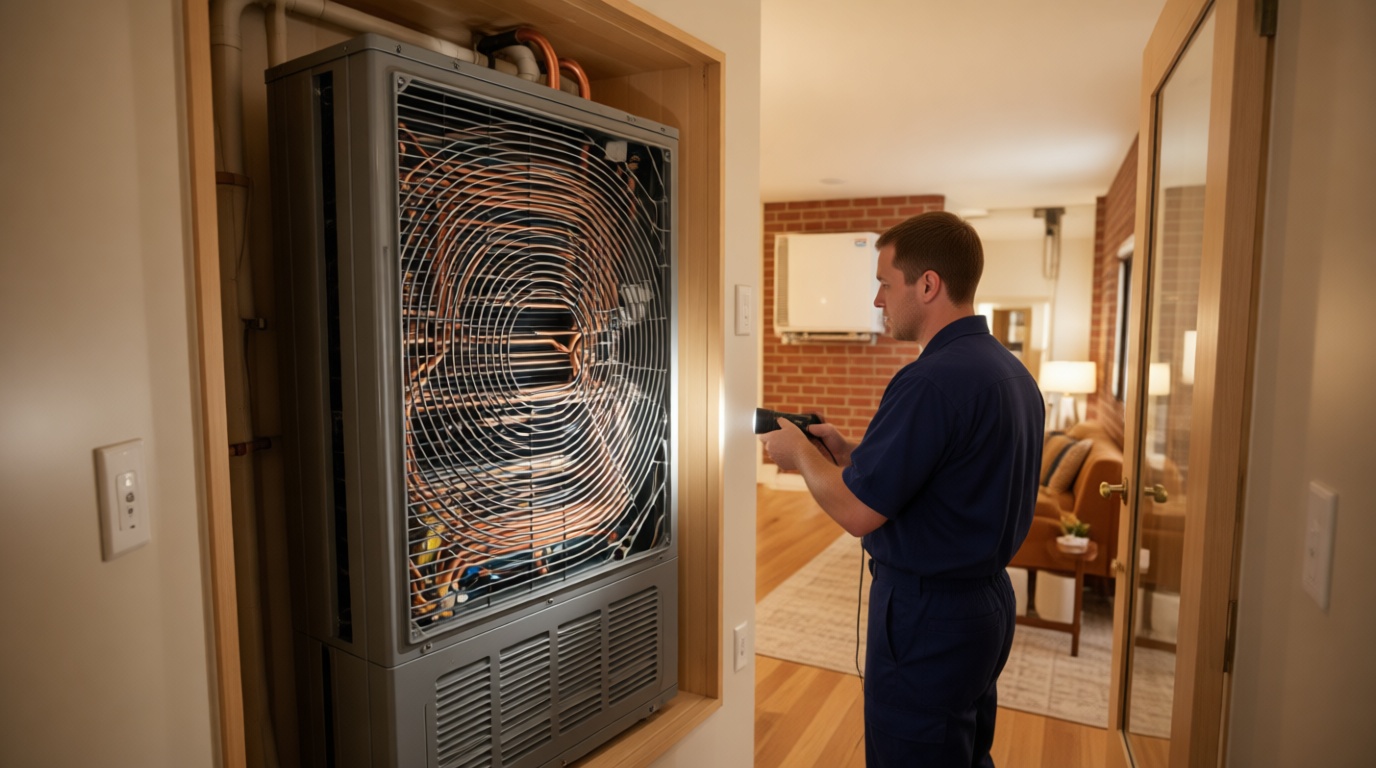
An Energy Recovery Ventilator (ERV) is a device designed to enhance indoor air quality by exchanging indoor air with fresh outdoor air while retaining energy from the outgoing air. This process helps maintain comfortable humidity levels and reduces the load on your heating and cooling systems. Think of it as your condo’s lungs, ensuring you breathe fresh air while conserving energy. ERVs are usually located within the mechanical room or utility closet of your condo.
What Does It Look Like?
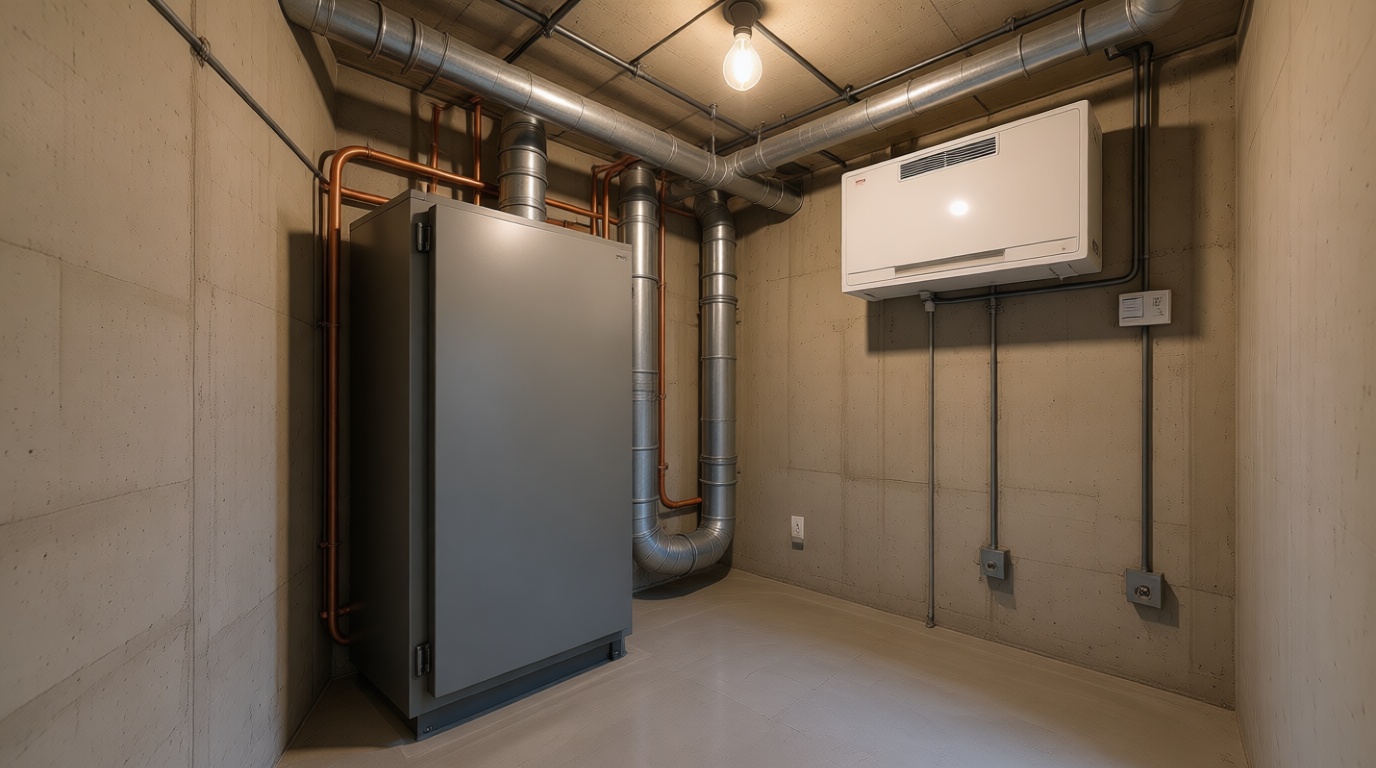
ERVs typically appear as rectangular metal boxes with two sets of ducts — one set for incoming fresh air and another for outgoing stale air. Inside, they contain filters, a core for energy exchange, and fans. They are often installed on ceilings or walls in utility areas.
How Does It Work?
An ERV works by using a heat exchanger to transfer energy between incoming and outgoing air streams. During the winter, it captures heat from the outgoing air and transfers it to the incoming air. In the summer, it helps remove heat from incoming air, making cooling more efficient. This energy exchange maintains your condo’s comfort while reducing energy costs, making it a popular choice in high-rise condos across Toronto, Mississauga, and Vaughan.
Signs It Might Be Failing
Watch out for these signs that your ERV might be in trouble:
- Reduced airflow: If you notice less air coming through your vents, the ERV could be clogged or broken.
- Unusual noises: Rattling or banging sounds could mean loose components or motor issues.
- Increased humidity: If indoor humidity levels rise, the ERV might not be functioning properly.
- Odors: Persistent stale or musty smells might indicate the ERV isn’t ventilating correctly.
Can You Test It Yourself?
There are a few simple checks you can perform:
- Visual inspection: Check for dust build-up on vents and filters. Clean or replace filters as needed.
- Listen: Pay attention to any unusual sounds when the ERV is running.
- Thermostat response: Ensure your thermostat settings align with indoor temperatures. If not, your ERV or HVAC system might need attention.
Avoid dismantling the ERV or tampering with electrical components yourself.
When to Replace vs Repair
ERVs generally last 10-15 years, but regular maintenance can extend their lifespan. If repairs become frequent or costly, consider replacement. A new ERV can offer improved efficiency and technology, making it a worthwhile investment.
How Hudson Handles This Repair
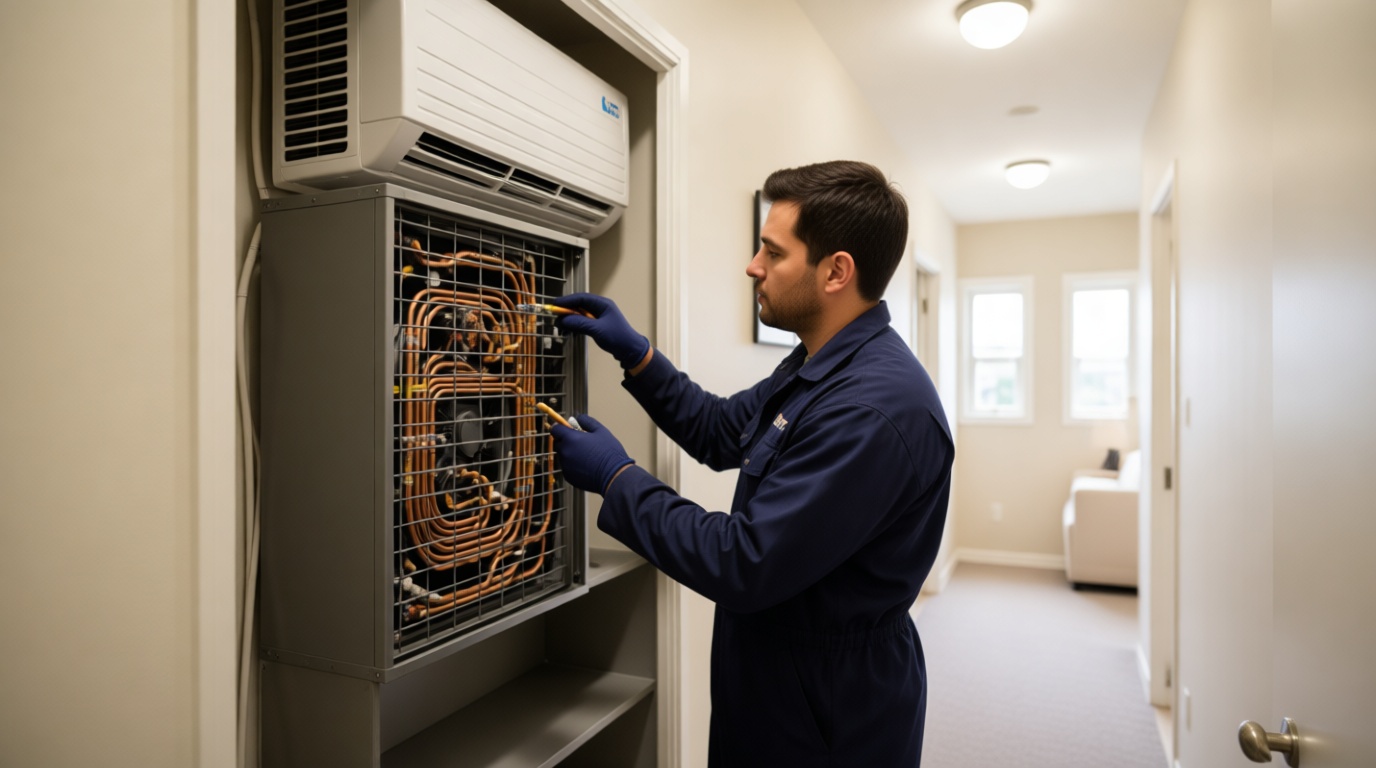
When you call Hudson HVAC for an ERV issue, our technicians will conduct a thorough inspection to diagnose the problem. We clean and replace filters, check the energy exchange core, and ensure all components are functioning seamlessly. Repairs are typically completed within a few hours, restoring your condo’s air quality efficiently.
FAQs
What does an ERV do in a condo?
An ERV brings in fresh air and expels stale air while recovering energy from outgoing air.
How often should an ERV be maintained?
ERVs should be inspected and cleaned at least twice a year, ideally during seasonal changes.
Can I clean my ERV filters myself?
Yes, you can clean or replace ERV filters yourself by following the manufacturer’s instructions.
Call to Action
If your condo’s air feels stale or your ERV makes unusual noises, don’t wait for the problem to worsen. Call Hudson for a same-day diagnostic and keep your living space fresh and comfortable.
Contact Hudson:
- Contact Us
- Phone: +1 (437) 448-0640
- Email: service@hudsonhvac.ca