
What to Do When Your Condo's Building Loses Heat in Winter: Toronto Guide
Facing a building-wide heating failure in Toronto's winter? Learn emergency steps, causes, and when to call for HVAC help.
- Hudson HVAC
- 5 min read
What to Do When Your Condo’s Building Loses Heat in Winter: Toronto Guide
Quick summary: Experiencing a building-wide heat loss in a Toronto condo during winter can be alarming. This guide explains immediate steps to take, common causes, and when to call professional services like Hudson HVAC to address the issue promptly.
The Fast Diagnosis: What’s Happening?
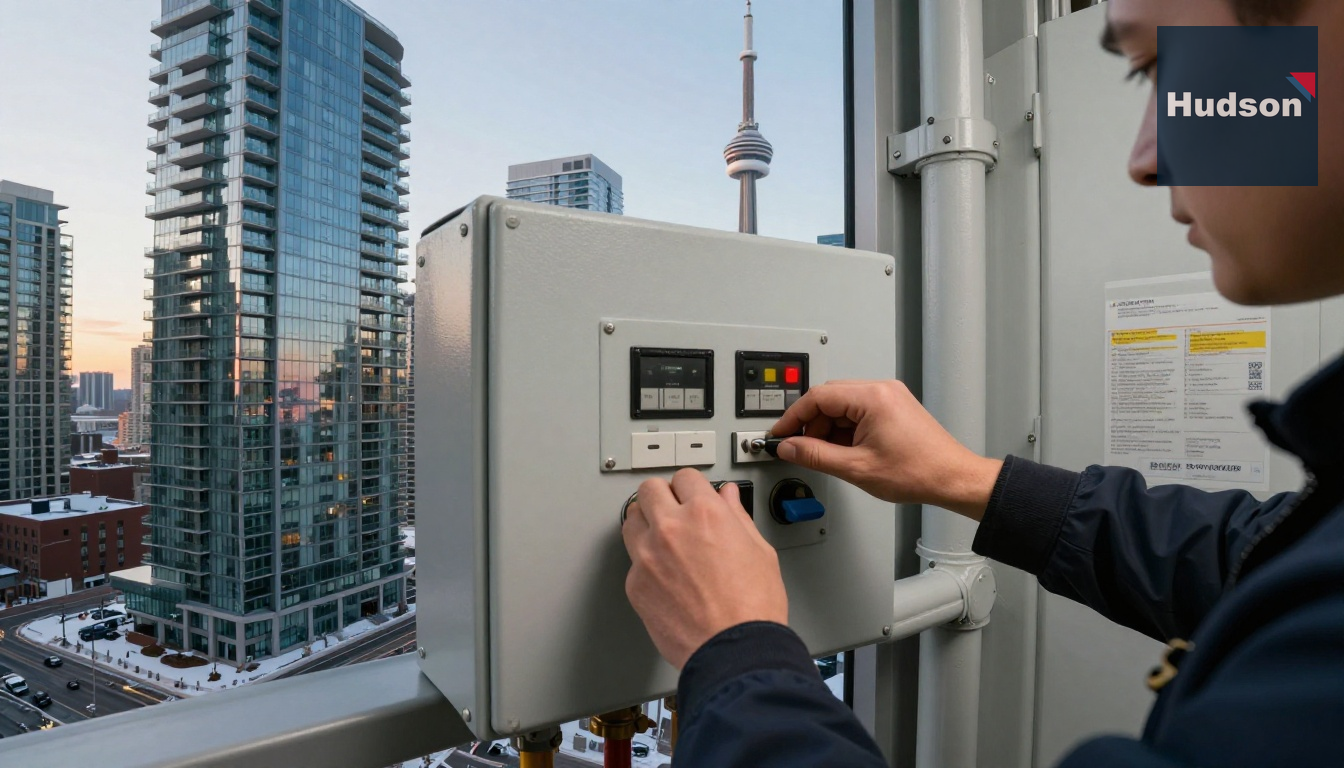
Toronto’s winters can be brutally cold, especially when your condo’s entire building loses heat. When temperatures outside drop below freezing, even a few hours without heat can lead to discomfort and potential damage, such as frozen pipes. The first step is to confirm the scope of the problem. Check with your neighbors and building management to see if the issue is isolated to your unit or if it’s affecting the entire building.
Common Causes of Building Heat Loss
- Boiler Malfunction: In many older North York and Scarborough buildings, the central boiler system can fail due to age or lack of maintenance. Boilers can suffer from issues like ignition failure, pressure loss, or pump failure.
- Thermostat Issues: A malfunctioning central thermostat can disrupt the building’s heating schedule, leading to inconsistent or no heating.
- Pump or Valve Failures: Components like pumps and 3-way valves, crucial for circulating hot water in systems, can fail, especially in high-rise buildings built in the 1980s and 1990s.
- System Overload: During extreme cold spells, systems can become overworked, leading to breakdowns.
Immediate Actions You Can Take
While waiting for professional help, there are steps you can take to mitigate discomfort:
- Use Portable Space Heaters: Safely use electric space heaters if you have them. Ensure they are placed on a flat surface and away from flammable materials.
- Seal Drafts: Use towels or draft stoppers at the base of doors and windows to prevent heat loss.
- Layer Up: Wear multiple layers of warm clothing and use extra blankets.
- Stay Informed: Keep in contact with building management for updates on the situation.
When to Call in the Experts
If building management cannot quickly resolve the issue, it’s crucial to contact professional HVAC services. Indicators that professional intervention is necessary include:
- Extended Heat Loss: If the heat is out for more than a few hours in extremely cold temperatures, it’s time to call for help.
- Frozen Pipes: If you notice any signs of freezing, such as frost on pipes or reduced water flow, urgent action is needed.
- Unresolved Boiler Issues: Professional diagnosis and repair are required if the boiler shows signs of consistent malfunction.
Hudson HVAC offers 24/7 emergency HVAC repair services to handle such crises promptly.
What to Expect from a Professional Service Visit
When you call Hudson, you can expect a swift and systematic approach:
- Initial Diagnosis: A technician will assess the situation, often within 1-2 hours of arrival.
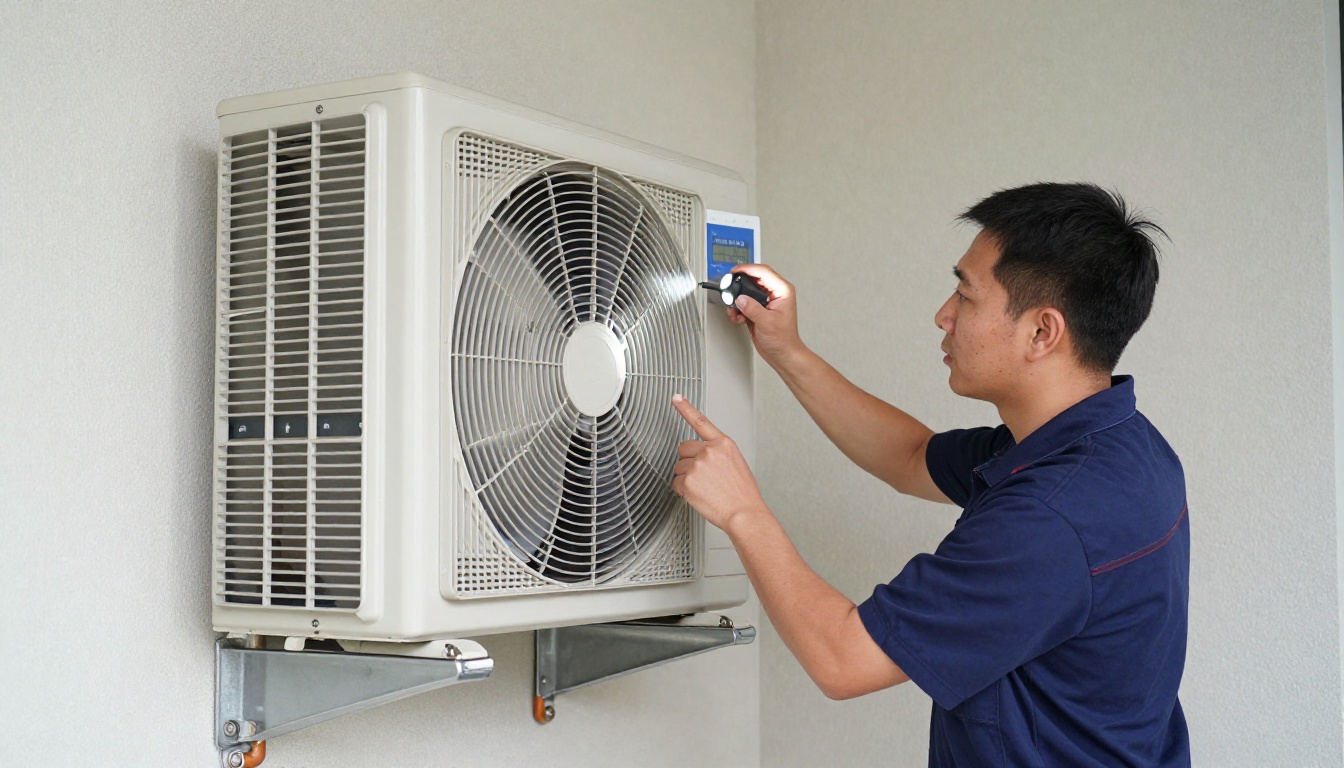
- Identifying the Issue: Using diagnostic tools, the technician will pinpoint the problem, whether it’s a faulty boiler or valve.
- Immediate Repairs: Common issues like pump or thermostat failures can often be resolved the same day.
- Follow-Up: If parts need ordering, a temporary solution will be implemented, and a follow-up visit scheduled.
Cost Factors to Consider
The cost of repairs can vary significantly based on the issue:
- Boiler Repair/Replacement: Repair costs range from $500 to $1,500, while replacement costs can exceed $10,000, particularly in large buildings.
- Thermostat and Valve Repairs: Typically cost between $200 and $500, including labor and parts.
- Piping Issues: Repairs for frozen or burst pipes can range from $300 to $700, depending on the severity.
For comprehensive and reliable service, consider Hudson’s preventive mechanical maintenance programs to avoid future emergencies.
FAQs
What should I do first if my condo building loses heat?
Begin by checking if the issue is isolated to your unit or a building-wide problem by contacting neighbors and building management. If it’s widespread, report it immediately to management and begin implementing temporary heat solutions like space heaters.
How can I keep warm during a building heat loss emergency?
Utilize portable space heaters if available, wear layered clothing, and use extra blankets. Avoid using ovens or stoves for heating as they pose safety risks.
What are common causes of building-wide heating failure?
Frequent causes include boiler malfunctions, broken thermostats, or issues with the central heating distribution system. In older Toronto buildings, outdated heating systems can also contribute to failures.
When should I call a professional HVAC service?
Contact a professional immediately if the building management cannot resolve the issue quickly or if there’s a risk of pipes freezing. Hudson offers 24/7 emergency HVAC repair services.
How long does it typically take to fix a building-wide heating issue?
Resolution depends on the problem’s complexity. Simple thermostat or valve repairs might take a few hours, while boiler replacements could require a day or more. Hudson’s technicians aim for quick diagnosis and repair, mitigating extended discomfort.
Next Steps
If your condo building is experiencing a heat loss emergency, ensure safety and comfort by taking the necessary immediate steps and contacting a professional service for assistance. Hudson HVAC is here to provide expert solutions and prevent future incidents.
Contact Hudson
For immediate assistance, Contact Us. Call +1 (437) 448-0640 or email service@hudsonhvac.ca for 24/7 emergency support or to schedule a routine maintenance check.