
What to Do When Your Neighbour's HVAC Leaks Into Your Condo
Learn your rights and next steps for handling condo water damage from a neighbor's HVAC leak in Toronto.
- Hudson HVAC
- 4 min read
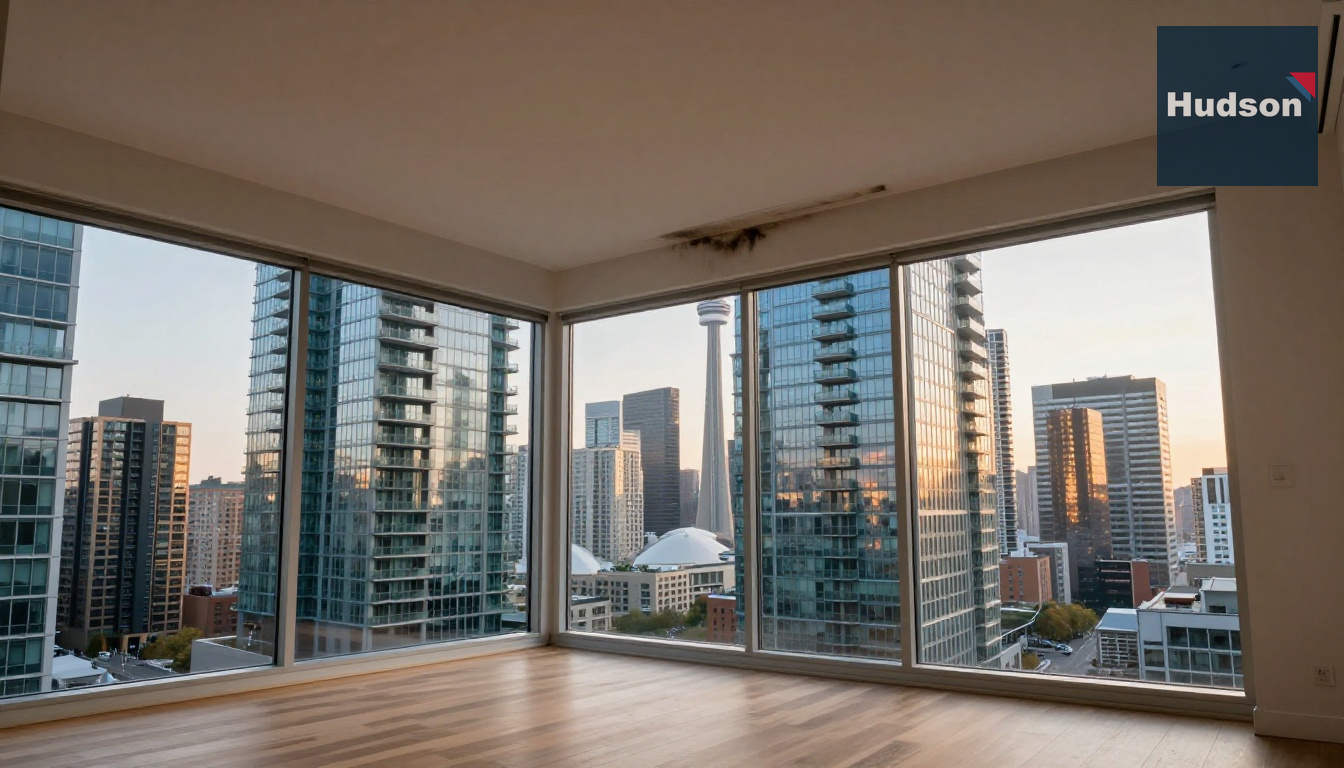
What to Do When Your Neighbour’s HVAC Leaks Into Your Condo
Quick summary: Condo water damage from a neighbor’s HVAC leak can be stressful, especially during Toronto’s humid summer months. Understanding your rights and taking immediate action can minimize damage and streamline repairs. This guide walks you through the steps to take if your neighbor’s HVAC system causes water damage in your condo.
The Fast Diagnosis / What’s Going On
Imagine lounging in your North York condo during a sweltering July afternoon, only to notice water pooling on your floor or dripping from the ceiling. In our experience servicing Toronto condos, water damage from a neighbor’s HVAC system is not uncommon, especially in older high-rises with shared riser systems. Such incidents often occur due to clogged drain lines, an overworked HVAC system, or condensation issues that go unchecked.
Common Causes / Why This Happens
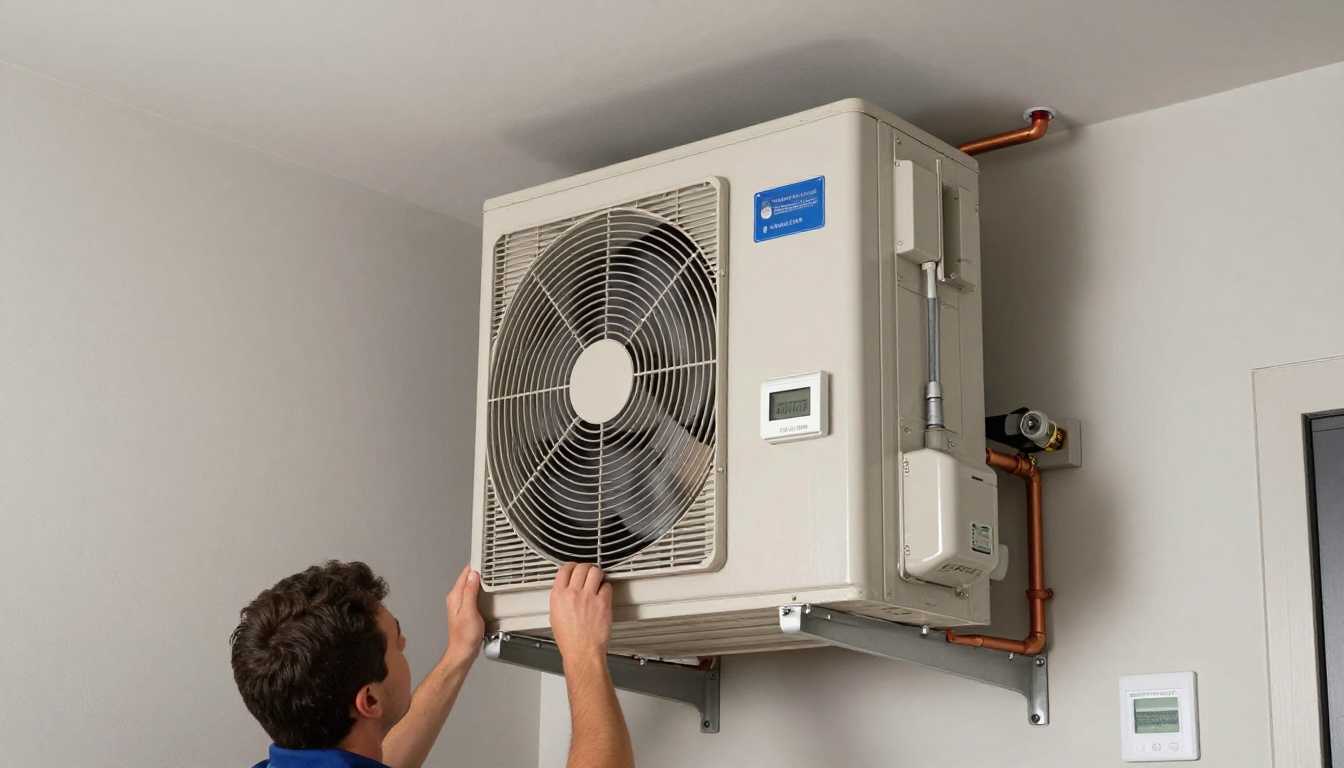
Condensation leaks are the primary culprits during Toronto’s humid summers. When an HVAC system is overburdened, the condensate drain pan can overflow, especially if the drain line is clogged. Fan coil units like the Carrier 42 Series or DaikinDERA are susceptible to such issues if not maintained properly. We’ve found that buildings constructed before 2000 often have undersized drainage systems that exacerbate this problem. Furthermore, poorly maintained systems can lead to mold growth, further complicating the situation.
What You Can Do Right Now / DIY Safe Steps
Act quickly by documenting the damage with detailed photos and videos. This evidence will be crucial for both insurance claims and discussions with your condo board. Next, inform your property management office immediately. They may have protocols in place to handle water damage and can assist in contacting the responsible neighbor. Use a moisture detector if available to assess the extent of the damage, and consider placing waterproof covers over vulnerable furniture to minimize further damage.
When to Call a Professional / Signs You Need Help
If you notice signs of structural damage, such as warping floors or soggy drywall, it’s time to call in professionals. Water damage can rapidly escalate into mold infestations, especially in humid conditions, which can pose serious health risks. Hudson offers emergency HVAC repair services and can assess both the source of the leak and the resulting damage.
What to Expect from a Service Visit / Typical Timeline and Process
Upon contacting Hudson, expect a thorough inspection of the affected area and the neighboring unit’s HVAC system. A typical service visit to assess and start repairs can take 1-2 hours, depending on the severity of the leak. If structural damage is present, additional visits may be required to complete repairs once the HVAC issue is resolved. Hudson technicians will provide a detailed report, useful for insurance claims and condo board discussions.
Cost Factors with Real Ranges
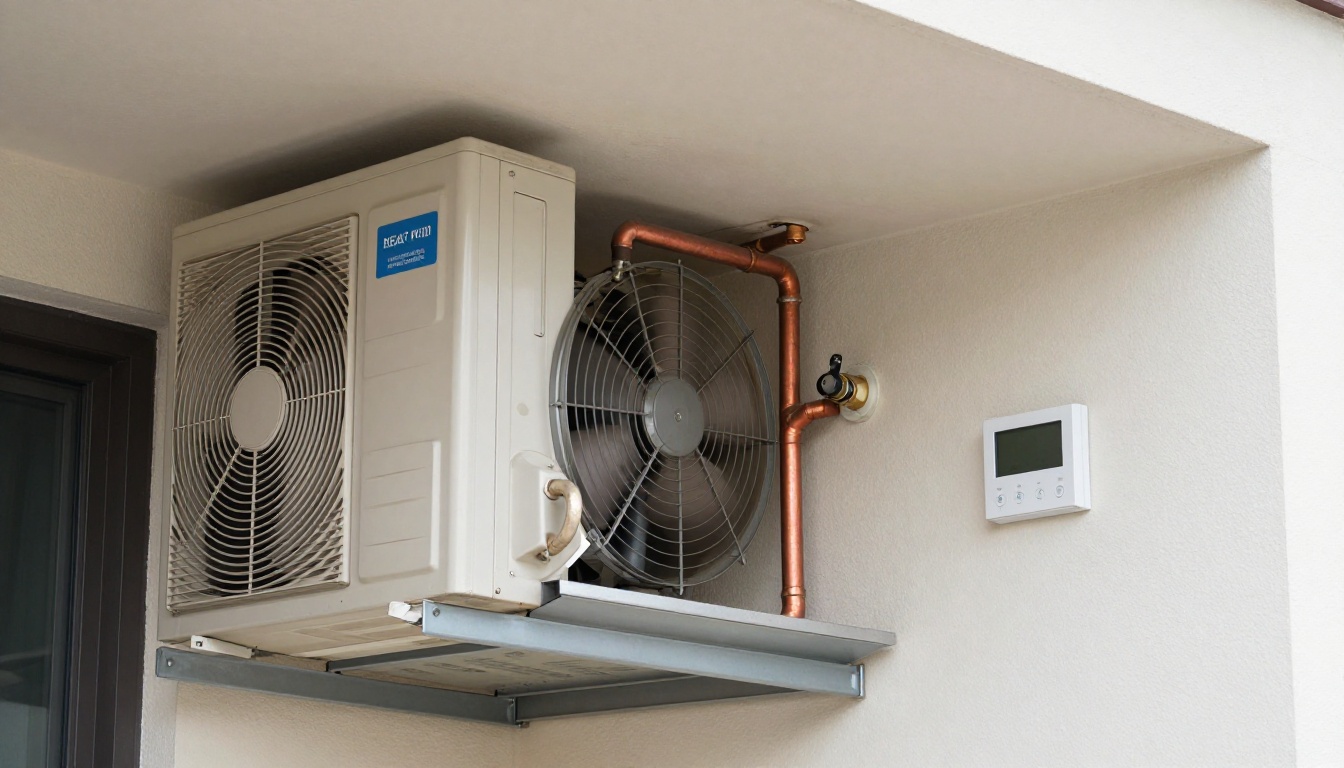
Repair costs can vary depending on the extent of the damage and whether structural repairs are needed. On average, fixing an HVAC leak-related water issue in a Toronto condo can range from $500 to $2,500, including parts and labor. This cost can increase if mold remediation is necessary. Consider Hudson’s mold remediation services if you’re concerned about mold growth.
FAQs
What should I do first if water leaks from my neighbor’s condo?
Immediately document the damage with photos and videos, and inform your condo management office. Quick action is crucial to prevent further damage and to start the claims process efficiently.
Who is responsible for a leak from a neighbor’s HVAC system?
Responsibility can depend on the source of the leak and the condo corporation’s declaration. Typically, the unit owner where the leak originated is responsible, but the condo board may also play a role depending on common area involvement.
How does insurance work for leaks from another condo?
Your personal condo insurance should cover personal belongings and any upgrades in your unit, while the responsible neighbor’s insurance might cover structural repairs. Coordination between insurers is often required.
Can an HVAC leak affect multiple condos?
Yes, especially in high-rise buildings where multiple units share the same ductwork or riser systems. A significant leak can travel through walls and affect several floors.
How can I prevent future HVAC leaks from neighbors?
Regular maintenance of your HVAC system and ensuring your neighbor does the same can mitigate risks. Consider discussing preventative measures with your condo board, such as mandatory annual system checks.
Next Steps / Call to Action
If your condo experiences water damage from a neighbor’s HVAC leak, don’t delay in addressing the issue. Start by documenting the damage and notifying your property management. For professional help, consider contacting Hudson for an assessment and repair. We offer fan coil maintenance and can provide insight into preventing future issues.
Contact Hudson
Phone: +1 (437) 448-0640
Email: service@hudsonhvac.ca