
Why Your Condo Thermostat Shows a Different Temperature Than Your Room Feels
Discover why your condo thermostat displays inaccurate temperatures, common causes, and calibration tips for Toronto's high-rise living.
- Hudson HVAC
- 4 min read
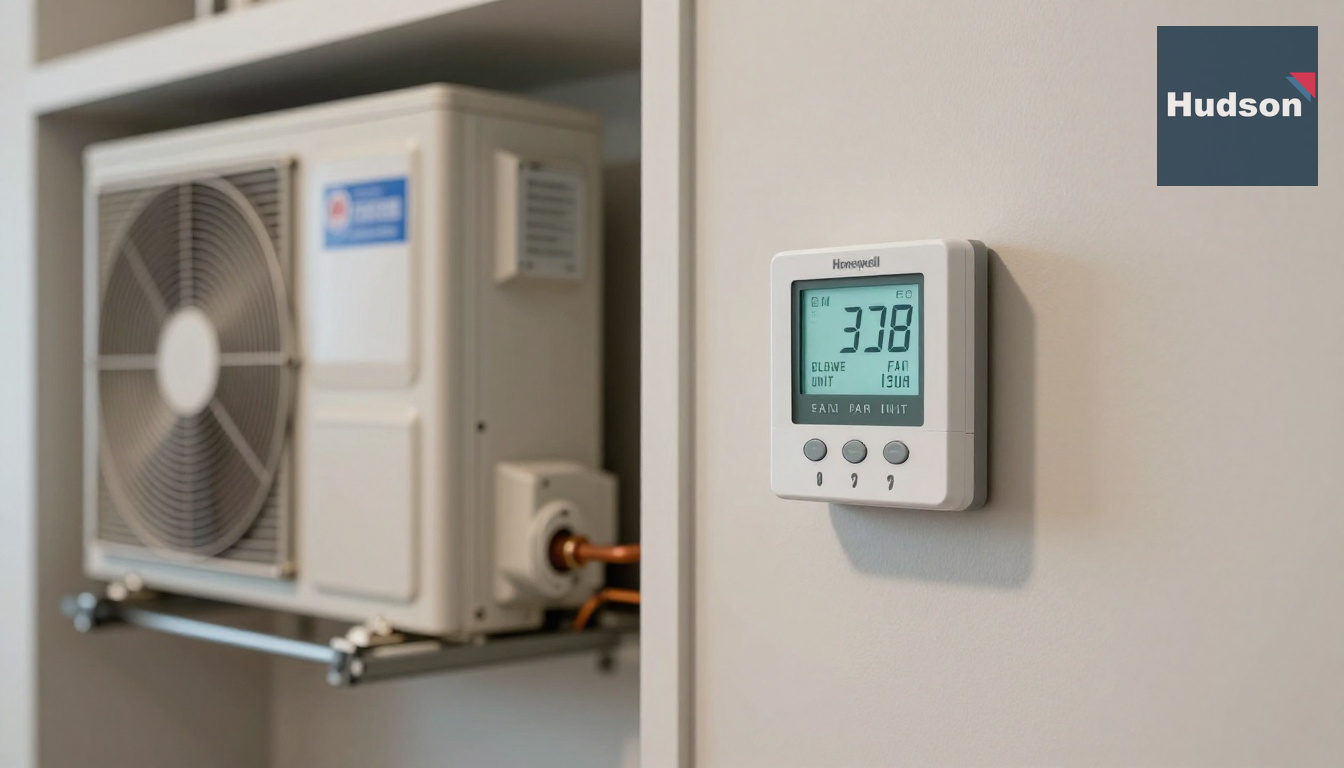
Why Your Condo Thermostat Shows a Different Temperature Than Your Room Feels
Quick summary
Understanding why your thermostat displays a temperature that doesn’t match how your room feels is crucial for maintaining comfort in your condo. This discrepancy can result from poor placement, outdated equipment, or environmental factors. Addressing these issues ensures efficient energy use and optimal comfort.
The Fast Diagnosis: What’s Going On?
In the heart of Toronto, where high-rise and mid-rise condos dominate the skyline, the mix of equipment types and building layouts can create unique challenges for maintaining consistent indoor temperatures. If your thermostat indicates 22°C but the room feels more like 25°C, you’re not alone. This issue is common in North York and Mississauga condos, where we’ve seen temperature variance due to factors like thermostat placement and building-wide HVAC inefficiencies.
Common Causes: Why This Happens
Several factors contribute to thermostat discrepancies:
- Thermostat Placement: Placed near windows or vents, thermostats can register inaccurate temperatures due to direct sunlight or drafts.
- Obstructed Airflow: Furniture or curtains can block airflow, leading to skewed thermostat readings.
- Calibration Issues: Over time, thermostats, especially older models, can drift from the correct calibration, displaying inaccurate temperatures.
- Building Layout: In shared HVAC systems typical in condos, heat from neighboring units or common areas can affect individual unit temperatures.
In our experience servicing condos from Etobicoke to Vaughan, it’s not uncommon for temperature variances to arise from these factors.
What You Can Do Right Now: DIY Safe Steps
- Check Thermostat Placement: Ensure your thermostat is on an interior wall away from direct sunlight and drafts.
- Inspect for Obstructions: Remove any furniture or drapery covering the thermostat.
- Test Calibration: If your thermostat manual provides a calibration option, follow the steps to adjust the temperature reading. Most digital thermostats include this feature.
- Compare Temperatures: Use a standalone thermometer to compare the room temperature to your thermostat’s reading.
IMAGE_PLACEHOLDER_1: A Hudson HVAC technician inspecting a condo thermostat mounted on an interior wall.
When to Call a Professional: Signs You Need Help
If you’ve checked the common issues and your thermostat still isn’t accurate, it’s time to contact a professional. Persistent fluctuations, unresponsive controls, or an HVAC system that won’t turn on/off are signs that require expert attention. Hudson offers thermostat installation and replacement services across Toronto and the GTA to address these problems.
What to Expect from a Service Visit: Typical Timeline and Process
A professional assessment typically involves:
- Initial Inspection: Reviewing the thermostat placement and ensuring it matches the room layout requirements.
- Calibration Check: Verifying and adjusting the calibration using specialized equipment.
- System Testing: Ensuring the thermostat accurately communicates with the HVAC system.
A typical visit lasts 1-2 hours, depending on the complexity of the system and any necessary repairs.
Cost Factors with Real Ranges
Thermostat service and calibration in a Toronto condo typically range from $150 to $300, depending on the type of thermostat and the work required. Full thermostat replacement can range from $300 to $500, including parts and labor.
FAQs
Why does my thermostat show a different temperature than it feels?
Several factors can cause this discrepancy, including poor thermostat placement, airflow obstructions, or a need for recalibration. Condo layouts and shared mechanical systems can also affect temperature readings.
How can I calibrate my thermostat?
Most modern thermostats have a calibration feature. Consult your thermostat’s manual for specific instructions, or contact a professional for assistance if you’re unsure about the process.
Can a faulty thermostat increase energy bills?
Yes, if your thermostat inaccurately reads room temperature, your system may overcompensate by running too frequently, leading to higher energy costs. Regular maintenance can help prevent this.
What is the ideal placement for a thermostat in a condo?
Place your thermostat on an interior wall away from direct sunlight, vents, doors, and windows. This helps ensure it reads the general room temperature accurately.
When should I call a professional for thermostat issues?
If recalibration doesn’t resolve the issue, or if your thermostat malfunctions frequently, it’s time to consult a professional. They can diagnose and repair or replace faulty components.
Next Steps: Call to Action
If your thermostat hasn’t been serviced in over a year or if you’re experiencing inaccurate temperature readings, book a maintenance visit with Hudson before the next heatwave hits to ensure your system runs efficiently.
Contact Hudson
- Contact Us
- Phone: +1 (437) 448-0640
- Email: service@hudsonhvac.ca