Why Your Heat Pump Runs Constantly in Toronto Condos and How to Fix It
Learn why your condo heat pump runs constantly and how to fix it in Toronto's fluctuating spring weather.
- Hudson HVAC
- 4 min read
Why Your Heat Pump Runs Constantly in Toronto Condos and How to Fix It
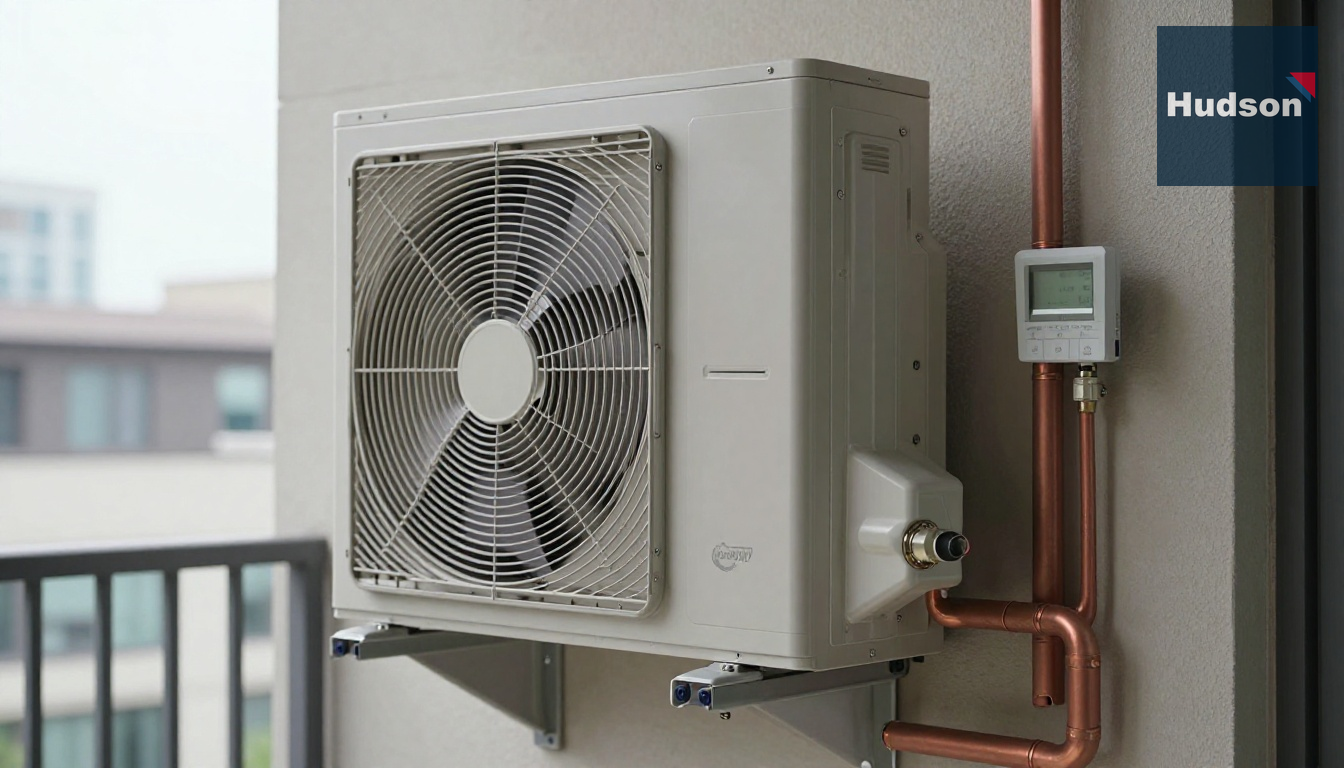
Quick summary: In Toronto condos, a heat pump running constantly can lead to high energy bills and discomfort. Common causes include thermostat issues, refrigerant leaks, and inadequate insulation. This guide provides expert advice on diagnosing and addressing these issues to ensure efficient heat pump operation.
The Fast Diagnosis: What’s Going On?
Spring in Toronto brings fluctuating temperatures, prompting many condo residents in areas like Mississauga and North York to switch between heating and cooling. This transition can reveal issues in your heat pump system, such as constant operation, which may indicate underlying problems needing attention.
Common Causes: Why This Happens
Thermostat Malfunctions
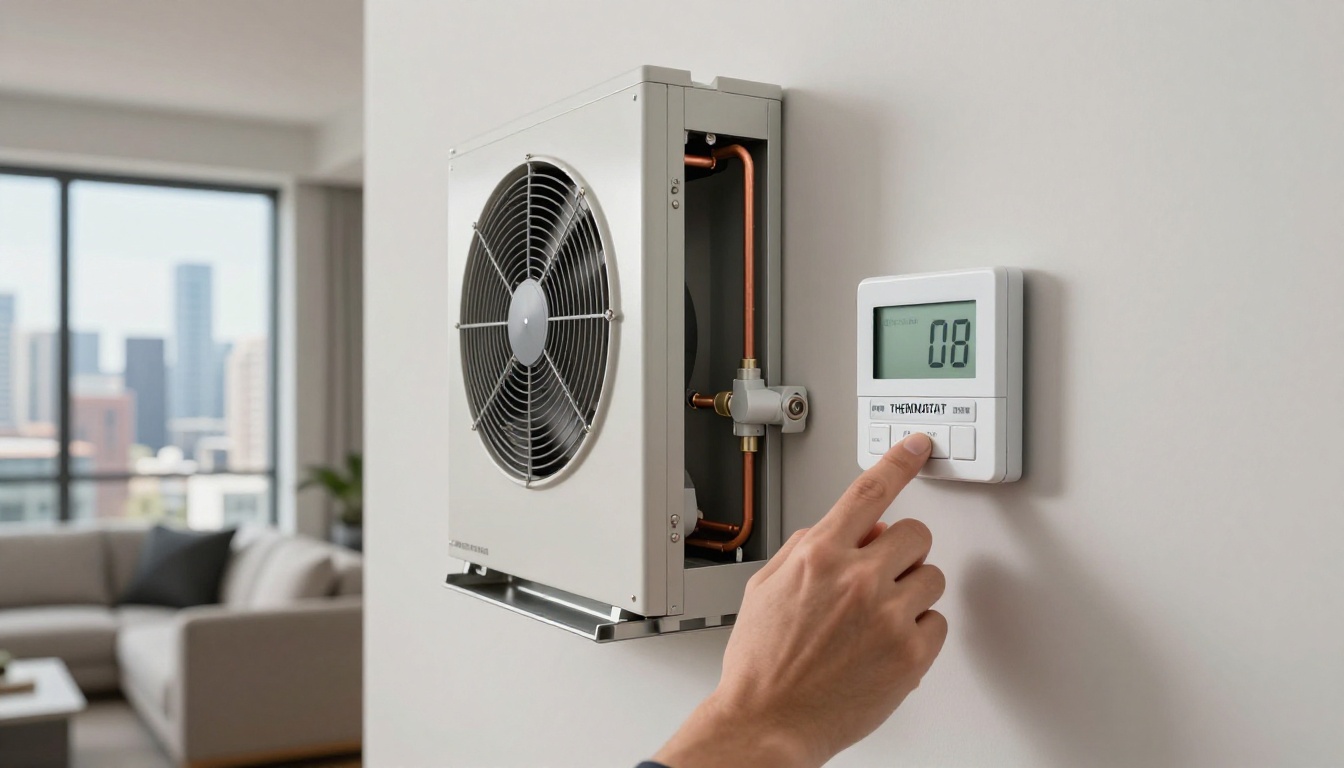
A malfunctioning thermostat is often the culprit behind a heat pump that won’t stop running. In our experience servicing North York high-rises, outdated or improperly calibrated thermostats can cause the system to misread room temperatures, leading to continuous operation.
Refrigerant Leaks
Refrigerant is crucial for heat pump efficiency. A leak, common in older systems, reduces the unit’s ability to heat or cool effectively, causing it to run non-stop. Look for signs like hissing sounds or ice build-up on the coils.
Inadequate Insulation
Condos, especially those built before 2000, might suffer from poor insulation. This can result in your heat pump working overtime to compensate for heat loss or gain through windows and walls.
What You Can Do Right Now: DIY Safe Steps
- Check Your Air Filter: Locate the 1-inch or 2-inch pleated filter behind the lower access panel of your heat pump. Slide it out and hold it up to the light. If you can’t see through it, replace it immediately to improve airflow and efficiency.
- Inspect the Thermostat: Ensure your thermostat is set to the correct mode (heating or cooling). Try resetting it to see if this resolves the issue. Consider upgrading to a programmable or smart thermostat for better control.
- Seal Air Leaks: Check for drafts around windows, doors, and other openings. Use caulking or weatherstripping to seal gaps, reducing unnecessary heat pump workload.
When to Call a Professional: Signs You Need Help
If your heat pump is exhibiting any of the following, it’s time to call a professional:
- Unusual noises such as grinding, hissing, or clicking
- Persistent ice on the coils
- A lack of effective heating or cooling
Delaying repairs can lead to increased energy costs and potential damage to the system.
What to Expect from a Service Visit: Typical Timeline and Process
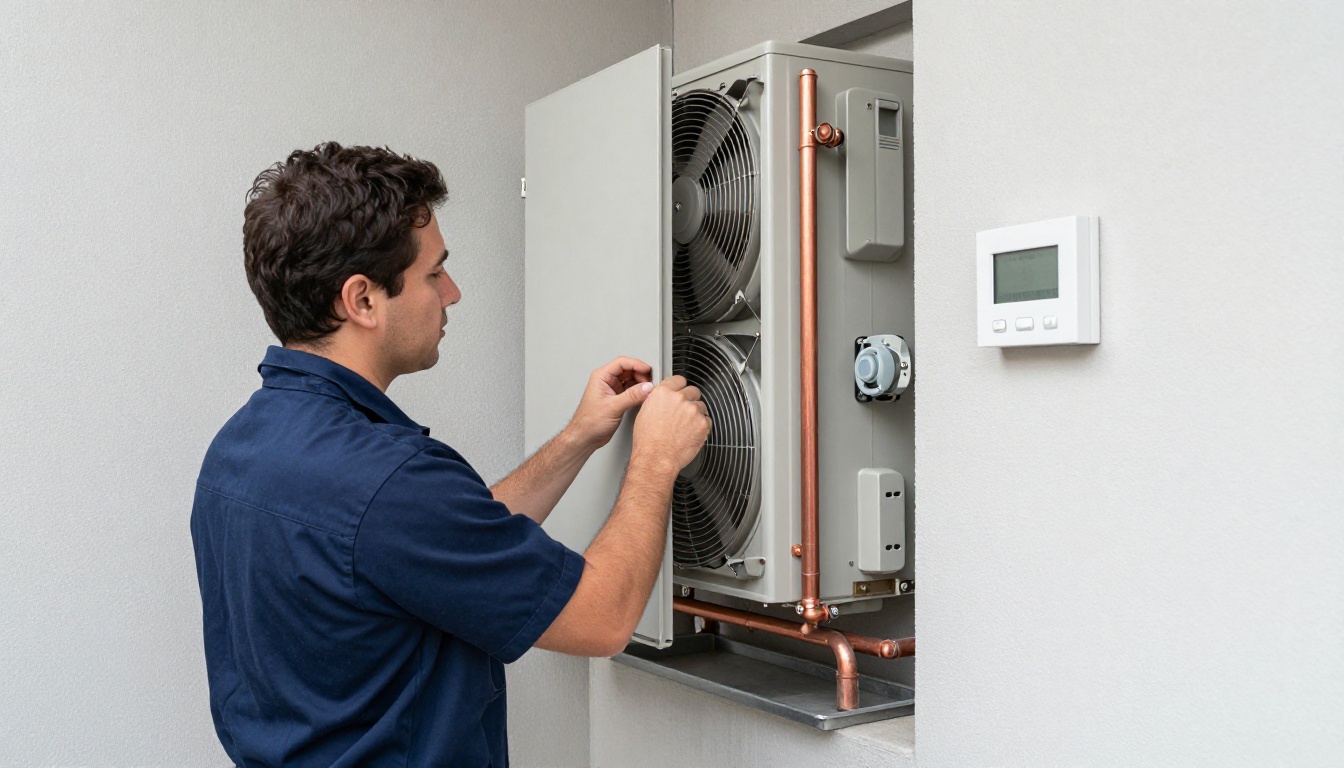
A typical service visit for a constantly running heat pump involves:
- Initial Inspection (30-60 minutes): A Hudson technician will evaluate your system, checking for issues like refrigerant levels and thermostat functionality.
- Diagnosis and Repair (1-2 hours): Common fixes include addressing refrigerant leaks, adjusting the thermostat, or replacing faulty components.
- Final Testing (30 minutes): Ensuring your system is running efficiently before leaving.
Cost Factors with Real Ranges
Repair costs can vary based on the issue:
- Thermostat Replacement: Between $150-$450 depending on the model and complexity.
- Refrigerant Leak Repair: Typically ranges from $200-$800, including leak detection and recharge.
- General Maintenance and Tune-Up: Expect costs around $150-$250 per unit.
FAQs
Why is my heat pump running constantly?
A heat pump may run constantly due to thermostat issues, refrigerant leaks, or undersized systems. In condos, poor insulation or a malfunctioning thermostat can exacerbate the problem, especially during spring when temperatures fluctuate.
Can a dirty air filter cause the heat pump to run all the time?
Yes, a dirty air filter can restrict airflow, causing the heat pump to work harder to maintain the desired temperature. Check the 1-inch or 2-inch pleated filter behind the lower access panel; if you can’t see through it, replace it immediately.
What are the signs of a refrigerant leak in a heat pump?
Signs of a refrigerant leak include hissing noises, reduced heating or cooling efficiency, and ice build-up on the coils. If you notice these, contact a professional technician for a detailed diagnosis and repair.
How can I prevent my heat pump from running non-stop?
Regular maintenance, including filter replacement and thermostat calibration, can prevent continuous operation. Ensure your condo is well-insulated and check for air leaks around windows and doors.
When should I call a professional for heat pump issues?
Call a professional if your heat pump shows signs like unusual noises, persistent ice on coils, or fails to heat/cool effectively. Delaying repairs can lead to increased energy bills and further damage.
Next Steps
If your heat pump hasn’t been serviced in over a year, book a maintenance visit before the summer heat sets in. Regular maintenance not only improves efficiency but also extends the lifespan of your system.
Contact Hudson
For expert heat pump service and repairs, contact Hudson today.
- Phone: +1 (437) 448-0640
- Email: service@hudsonhvac.ca