
Wildfire Smoke and Your Condo HVAC: Protecting Toronto's Air Quality
Discover how to safeguard your condo's indoor air quality from wildfire smoke in Toronto with expert HVAC tips.
- Hudson HVAC
- 4 min read
Wildfire Smoke and Your Condo HVAC: Protecting Toronto’s Air Quality
Quick summary: As Toronto faces increasing risks from wildfire smoke, maintaining excellent indoor air quality in condos becomes paramount. Optimize your condo HVAC system to filter out harmful particles, ensuring a safe living environment during wildfire season.
Understanding the Impact of Wildfire Smoke
Wildfire smoke is a complex mixture of gases and fine particles from burning vegetation and materials. These particles, particularly PM2.5, can travel long distances and infiltrate indoor spaces, posing serious health risks. In Toronto’s condo buildings, where air circulation systems are shared, managing indoor air quality becomes even more critical.
Why Your Condo HVAC is Crucial
In our experience servicing Toronto condos, we’ve seen that HVAC systems play a vital role in filtering outdoor air before it circulates indoors. If your system isn’t equipped with the right filter or isn’t properly maintained, it can inadvertently spread these particles, worsening indoor air quality. This is of particular concern in high-rise condos in areas like North York and Mississauga, where outdoor pollution levels can be amplified by altitude.
Choosing the Right Filter
Filter Ratings Matter
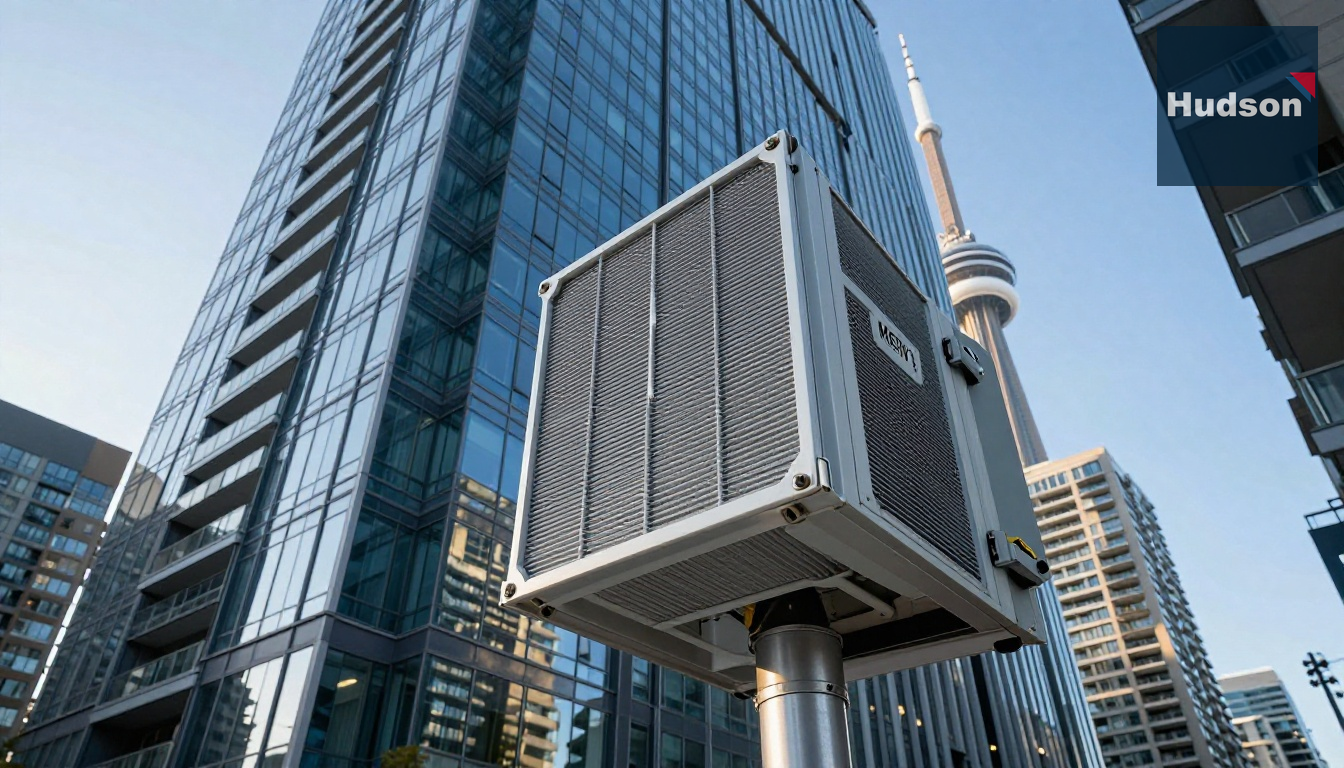
The efficiency of your HVAC filter is measured by its MERV (Minimum Efficiency Reporting Value) rating. During wildfire season, a MERV 13 or higher filter is recommended. These filters can capture up to 90% of particles as small as 1 micron, including smoke particles. However, not all condo HVAC systems can accommodate these high-efficiency filters without modifications.
Assessing Compatibility
Check your HVAC system’s manual to determine the maximum MERV rating it supports. Overly restrictive filters can impede airflow, leading to system inefficiency or damage. If unsure, consult with a professional to ensure optimal performance.
Proactive Steps to Enhance Air Quality
Regular Maintenance
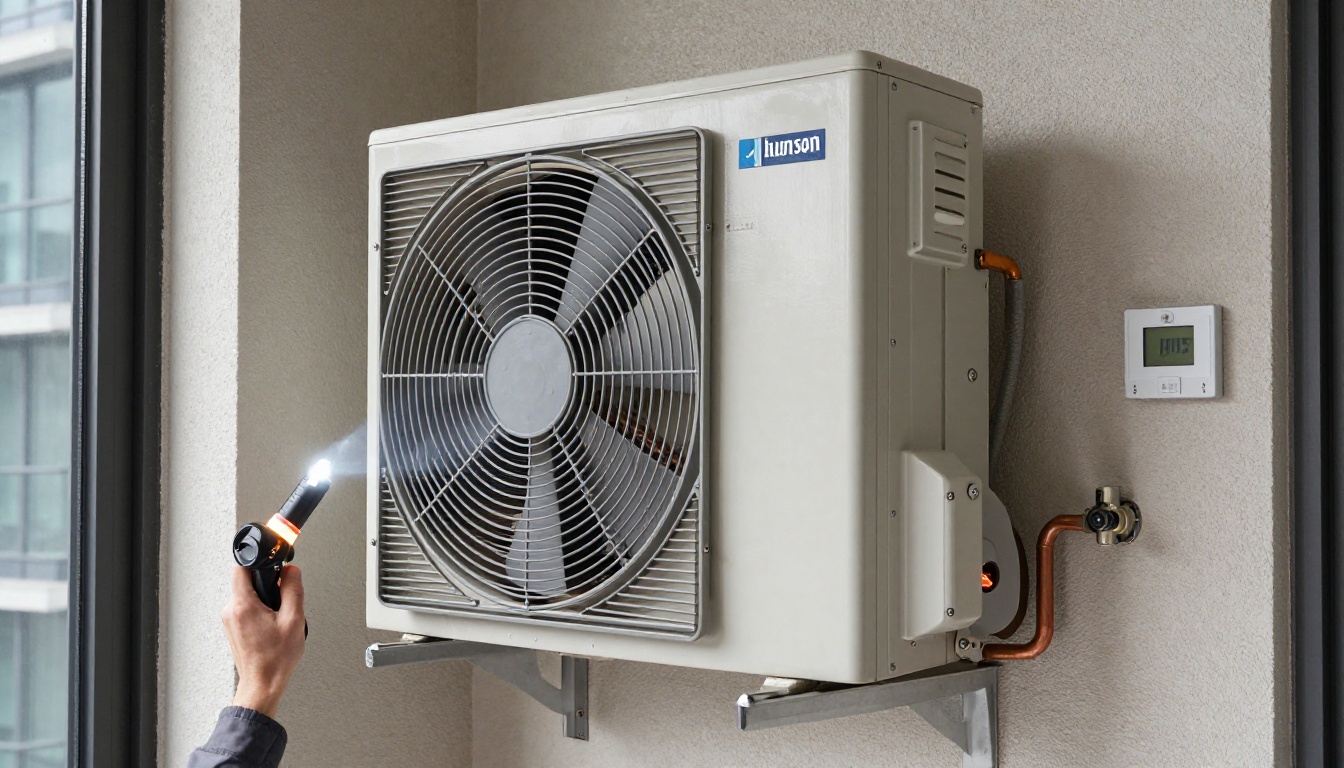
Regular fan coil maintenance is essential. In the summer, when systems are under high demand, ensuring all components are clean and functional can prevent smoke infiltration. Dust and debris in fan coils can exacerbate air quality issues by re-circulating contaminated particles.
Seal and Insulate
Ensure that all condo windows and doors are properly sealed. Gaps can allow smoke and outdoor air to bypass your filtration system. Weatherstripping and insulation upgrades can significantly contribute to maintaining a cleaner indoor environment.
When to Call for Professional Help
If your fan coil needs repair or you notice signs of poor air quality, such as persistent coughing or difficulty breathing, it’s time to contact a professional. Hudson HVAC offers emergency HVAC repair services throughout Toronto and the GTA.
What to Expect from a Professional Visit
When a technician arrives, they will:
- Assess the current filter and recommend upgrades based on your system.
- Inspect the fan coil and ductwork for blockages or leaks.
- Test indoor air quality with specialized equipment to identify particulate levels.
- Provide a detailed report with actionable steps to improve filtration.
Typical service visits take around 1-2 hours per unit, with costs for filter upgrades ranging from $150-$300, depending on the required changes.
Cost Considerations
Investing in high-quality filters and regular maintenance may initially seem costly, but it significantly reduces long-term health risks and potential system failures. Expect to spend $100-$200 on premium filters annually and around $200-$500 annually for professional maintenance services.
FAQs
How does wildfire smoke affect condo indoor air quality?
Wildfire smoke contains fine particulate matter (PM2.5) that can penetrate indoor spaces, exacerbating respiratory issues. In Toronto condos, inadequate HVAC filtration can result in poor air quality and health risks.
What type of HVAC filter is best for wildfire smoke?
For optimal protection against wildfire smoke, use a MERV 13 or higher rated filter. These filters are designed to capture fine particles, including those found in wildfire smoke, and are suitable for many condo HVAC systems.
Can I upgrade my condo’s HVAC filter myself?
While you can replace filters yourself, it’s crucial to ensure compatibility with your specific HVAC system. Consult your system’s manual or HVAC professional to avoid airflow issues or system strain.
What maintenance steps can improve air quality during wildfire season?
Regular fan coil maintenance, ensuring proper seals, and upgrading to higher MERV-rated filters can significantly enhance indoor air quality during wildfire season. Consider scheduling a professional maintenance check.
When should I contact a professional about air quality concerns?
If you notice persistent odors, visible smoke haze indoors, or respiratory discomfort, it’s advisable to contact an HVAC professional. They can assess and rectify any system inadequacies contributing to poor air quality.
Next Steps
To maintain a healthy living environment in your condo during wildfire season, ensure your HVAC system is up to par. Consider scheduling a fan coil maintenance check or HVAC mold remediation to address any existing issues.
Contact Hudson
Contact Us Phone: +1 (437) 448-0640 Email: service@hudsonhvac.ca